
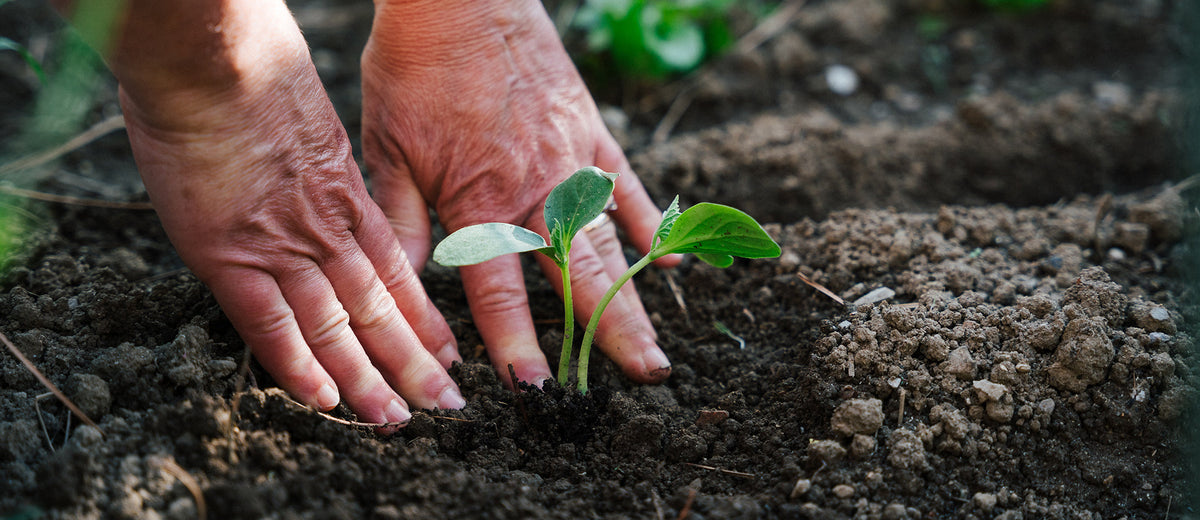
Planting day is the payoff for all your preparation. The good news is that this part is pretty much a case of following directions. Here's what to focus on:
- Depth and width
- Amending and fertilizing
- The planting process
This article is part of our Beginners Flower Garden Guide
How Deep and How Wide to Dig
The plant tag should tell you how deep to plant. Most flowers are more or less the same, with the recommendation to plant at the same depth as the pot, but some may require a shallower or deeper hole than others.
My rule of thumb: dig the hole twice the diameter of the pot and approximately the same depth as the pot. The extra width gives new roots loose soil to grow into.
Amend and Fertilize Before You Plant
If you haven't already, now is the time to add organic matter, amendments, and fertilizer based on your soil test. Doing this before plants go in the ground is much easier than working around them later.
- Soil Testing for Flower Gardens
- Amending and Fertilizing Your Flower Garden
- Adding Organic Matter to Your Flower Garden
Step-by-Step Planting Process
1. Choose your digging tool. Depending on the size of the hole, use an auger, shovel, hand trowel, or hori hori.
2. Dig the hole. Make it the appropriate depth and twice the width of the container.
3. Remove the plant from its container. Gently slide it out of its pot, bucket, or other container. You'll likely notice a mass of roots growing against the sides. This is typical.
4. Loosen the roots. Gently tease the roots apart by hand. This leads to better root growth and development, and if we grow good roots, we'll have beautiful shoots.
5. Set the plant in the hole. The plant should sit at the same depth in the soil as it was in the container.
6. Backfill and firm. Add the amended soil back into the hole and firm it in place. You want good contact between the soil and the roots.
7. Water them in. Once all your plants are in the ground, water them in thoroughly.

Aftercare: The First Few Weeks
Maintaining good soil moisture for the first few weeks is essential while roots begin to develop and extend into the surrounding soil. Check moisture regularly with a soil probe, and aim for moist, not soggy.
Ready, Set, Grow
With the right depth, loosened roots, and a good drink of water, your flowers are off to a strong start. Next, you'll want to protect them from the competition: weeds.
Next up: How to Control Weeds in Your Flower Garden
Read the full guide: Beginners Flower Garden Guide
Share:
How to Water a Flower Garden: How Much, How Often, and the Best Irrigation Options
Amending and Fertilizing Your Flower Garden: Timing, pH, Gypsum, and How to Apply