
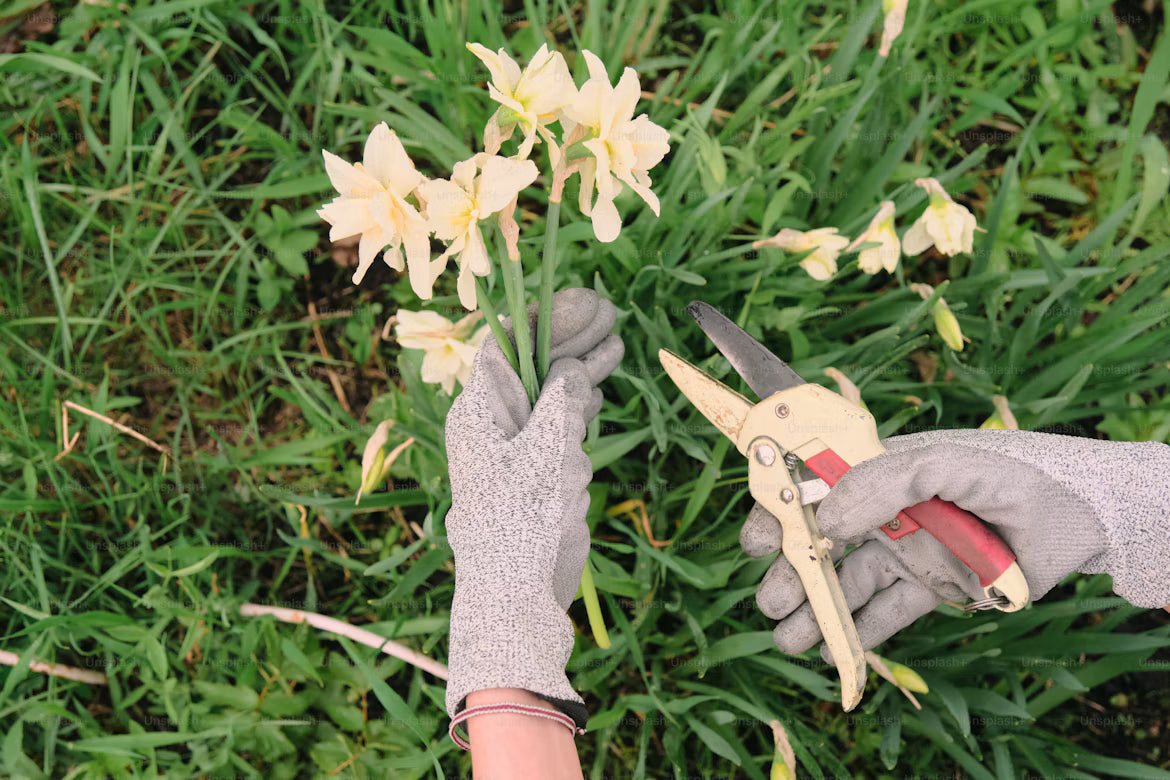
Deadheading is one of the simplest garden tasks, and one of the most rewarding. It's simply removing flowers after they've finished blooming. A few minutes with your pruning shears can keep your garden looking its best and blooming longer.
This article is part of our Beginners Flower Garden Guide
Why Deadhead Your Flowers?
Deadheading serves a few purposes.
1. A Neater, Cleaner Garden
Spent, browning blooms can make an otherwise healthy garden look tired. Removing them keeps your flower garden or bed looking neat and clean.
2. More Flowers
Once a flower fades, the plant begins putting energy into producing seed. Removing spent blooms allows the plant to redirect that energy into producing more flowers instead.
3. Fewer Volunteer Plants Next Year
For self-seeding species, such as zinnias, deadheading reduces the number of volunteer plants that germinate and emerge the following season. That means less thinning and weeding next spring.
How to Deadhead
- Use clean, sharp hand pruning shears or, for soft-stemmed flowers, simply pinch off spent blooms with your fingers.
- Cut back to healthy growth. Remove the faded flower along with its stem, back to a set of healthy leaves or a new bud.
- Make it routine. Pair deadheading with your regular garden walk-throughs so it never piles up.
- Compost the clippings. Spent blooms make a fine addition to your compost pile, as long as they aren't diseased.
When You Might Skip It
If you want certain flowers to reseed, or you'd like to leave seed heads for birds and winter interest, you can let some blooms go to seed. Just remember that with self-seeders, you'll likely have volunteers to manage the following season.
A Small Task With Big Results
Deadheading takes very little time but delivers a tidier garden, longer bloom periods, and fewer surprise seedlings. Keep your shears handy and make it part of your routine.
Next up: Flower Garden Pest Control: Common Pests and How to Manage Them
Read the full guide: Beginners Flower Garden Guide
Share:
How to Control Weeds in Your Flower Garden (and What They Say About Your Soil)
Flower Garden Pest Control: Common Pests and How to Manage Them