
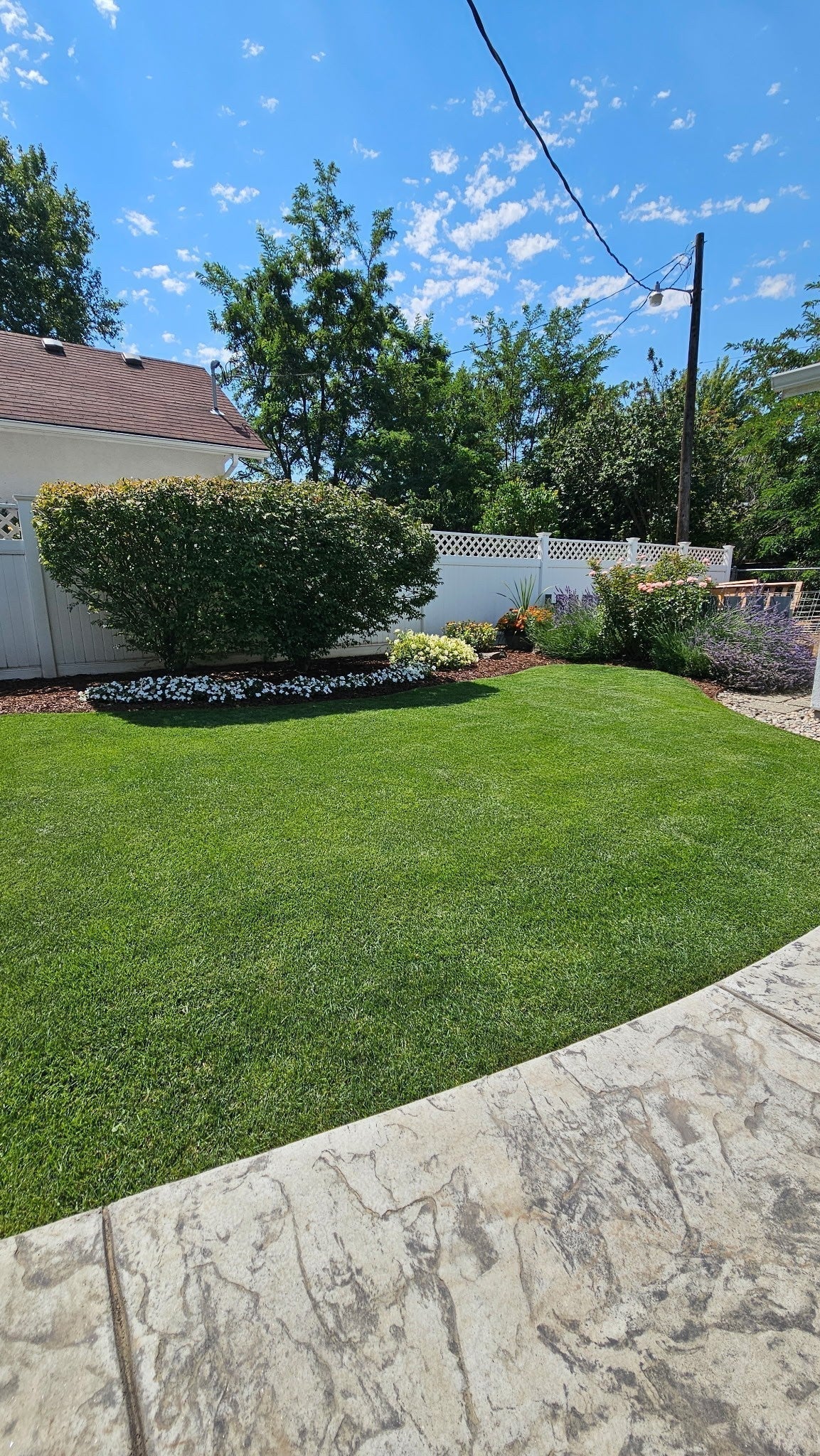
Seeding vs Sod: Cost, Pros, Cons, and Why Premium Grass Seed Is Often Better for Your Lawn
You’re staring at bare dirt and dreaming of a thick, green lawn. Do you roll out sod for an instant yard, or spread high-end grass seed and let it grow in? The choice you make now affects your wallet, your weekend workload, and how well your lawn holds up to kids, pets, and weather for years.
For most DIY homeowners, investing in premium grass seed and doing a proper soil-first approach is the smarter, more budget-friendly path.
Seeding vs Sodding: The Basics
When you’re putting in or renovating a lawn, you generally have two options: seed or sod. Both can give you a green yard, but they aren’t equal in cost, effort, or long-term performance. For some turfgrass species, especially in the southern, warm-season zone, other options include sprigging and plugging.
What is premium grass seed?
Premium grass seed blends are made from top-performing varieties selected for color, durability, drought tolerance, and disease resistance. They’re also chosen for real-world conditions: sun vs shade, traffic, water availability, and regional climate.
Instead of buying a generic “all-purpose” mix, premium seed lets you pick grass types that actually match your yard and how you use it. The DIY Premium Double Dark Seed options by MySoil are great examples of professionally selected seed cultivars blended together for the best results in your region and yard.
What is sod?
Sod is pre-grown grass cut with a thin layer of soil and rolled up like a carpet. Once you lay it down, it looks like a finished lawn the same day. But what you see isn’t truly yours yet—the roots still need to grab onto your soil, and that takes careful watering and a few weeks of babying.

Pros and Cons of Seeding Premium Grass Seed
Advantages of seeding
-
Lower upfront cost
Seed is dramatically cheaper per square foot than sod. You can often seed an entire yard for less than what it would cost to sod a small section. -
Better roots from day one
Seed germinates and grows its root system directly into your native soil. Over time, that may mean deeper roots and a lawn that handles heat, traffic, and drought more reliably. -
Customization for your yard
With seed, you can choose blends for full sun, partial shade, high traffic, or low water use. There are also low vs. high maintenance options. That flexibility is a huge win when your yard has a mix of conditions instead of perfect, full-sun rectangles. -
Easy to thicken and repair
Thin spots, pet paths, and high-traffic areas can be overseeded every year or two using the same genetics. We always recommend buying 5–6 lbs of extra seed for this purpose. You keep upgrading your lawn with better genetics without tearing everything out.


Challenges of seeding
-
Slower results
A seeded lawn takes a few weeks to show off and a full season to really look mature. If you need instant curb appeal, seed may test your patience. For quicker establishment, choose a seed blend with perennial ryegrass included. -
More early weeds
Bare, prepared soil gives weed seeds an opportunity. You’ll need to stay on top of mowing and basic weed control during the first year. Late summer or fall seeding will help to minimize this issue. -
Watering takes attention
Seeded areas need light, frequent watering to keep the surface damp. Missing several hot, dry days can cost you germination and impact establishment. -
Seasonal timing
You’ll get the best results seeding during your area’s ideal windows (usually spring or fall for cool-season grasses). Seeding at the wrong time can lead to poor establishment. -
Keeping pets out during establishment
If you’re like me and have four-legged family members, it can be challenging to keep them out of the newly seeded area. Temporary fencing can work, or use of a GPS collar that you may already have to geofence them out is an option.
Pros and Cons of Sodding a Lawn
Advantages of sod
-
Instant green lawn
You go from dirt to a “finished” lawn in a matter of hours. This is great if you’re selling a home, hosting an event, or just hate looking at bare soil. -
Built-in erosion control
Sod stabilizes the soil right away, which helps on slopes or areas that tend to wash out in heavy rain. -
Faster light use
Once rooted, sod can handle light foot traffic sooner than a young, seeded lawn, as long as you avoid heavy use early on. It’s best to still keep your high energy pets and kids off of it until it is fully rooted into the native soil. -
Fewer early weeds
Quality sod arrives dense and thick, which naturally blocks many weeds during the first few weeks.

Challenges of sod
-
High upfront cost
Sod is one of the most expensive ways to establish a lawn. In addition to the material, you may pay for delivery and professional installation. -
Rooting can be tricky
Sod has to push roots down through the sod layer and into your soil. If your soil isn’t prepared correctly or dries out, you can end up with a shallow-rooted lawn that struggles, especially in summer. Remember that seedbed prep is essentially the same whether seeding or sodding. -
Limited choice of grass types
Most sod farms grow a few standard blends that “work okay” for large regions. That doesn’t always match your shade, soil type, or watering habits. They also may or may not be newer premium grass seed genetics. If you anticipate needing to overseed in the future or repair bare spots it will be challenging to exactly match the same genetics. -
High-stakes watering
Fresh sod needs deep, consistent moisture throughout the sod layer and into the top of your soil. Under-watering or missing days during hot weather can cause seams to shrink, edges to dry out, and patches to fail.
Pet Considerations: Seeding vs Sod for Dog Owners
Pets add another layer of decision-making when you’re choosing between seeding and sodding your lawn.

Traffic and wear
Premium seed blends can be selected specifically for high-traffic, pet-heavy yards. That means tougher grasses that hold up better to chasing, running, and daily use.
Sod can handle some light use relatively early, but if dogs are allowed on too soon, they can tear seams, roll edges, and create permanent lines and gaps.

Pet urine spots and repair
Both seeded and sodded lawns can develop yellow spots from concentrated pet urine. The difference is in how easy and affordable they are to fix.
With a seeded lawn, repairs are simple and inexpensive: rough up the soil, add a bit of the same seed, and water. With sod, you’re often cutting out and patching damaged pieces, which is more work and more money; it can also be challenging to perfectly match the exact varieties.
Safety and chemical use
When you seed, you control exactly what goes on your soil before and after planting. That makes it easier to plan a pet-safe approach to fertilizer and weed control.
With sod, farms may apply pre-emergent herbicides or other treatments before harvest. If pet safety is a priority, you’ll need to ask questions—or lean toward seeding where your product choices are transparent.

Managing access during establishment
Seeding allows more flexibility: you can fence off sections, seed in phases, and always keep at least part of the yard available for pets.
With sod, the whole area usually needs to be protected for the first couple of weeks while the roots knit into the soil. That can be challenging if your dogs rely on the yard every day.
Cost, Effort, and DIY Practicality
Both seeding and sodding require solid site preparation: grading, debris removal, and soil testing to dial in pH and nutrient levels. Skipping this step hurts both methods.
Once prep is done, the real differences show up in cost and effort:
- Seed is budget-friendly and equipment-light. A spreader, rake, and hose or sprinkler system is usually enough for most DIYers.
- Sod is expensive, heavy, and time-sensitive. Once it arrives, you’re racing the clock to get it installed and watered correctly.
If you’re a hands-on homeowner willing to follow a simple plan for watering and mowing, seed gives you more lawn for your money and more control over the final result.

Summary Table: Seeding vs Sodding Your Lawn
| Factor | Seeding premium grass seed | Sodding a lawn |
|---|---|---|
| Upfront cost | Low; ideal for full-yard DIY projects | High; material, delivery, and labor add up |
| Speed of green cover | Slower; weeks to months for full coverage | Instant visual coverage in a single day |
| Root development | Roots form directly in your native soil | Must re-root through sod layer into your soil |
| Customization | High; choose blends for shade, traffic, pets, drought | Limited; a few standard sod blends available |
| Weed pressure | Higher early on; needs basic weed management | Lower at first; dense mat blocks many weeds |
| Irrigation needs | Light, frequent watering during germination | Deep, consistent watering for first 2–3 weeks |
| DIY difficulty | Moderate; basic tools and consistent watering | Higher; heavy rolls, tight timelines, careful seam work |
| Pet traffic | Choose durable, pet-tolerant cultivars; easy to repair | Handles light early use but seams can be damaged by pets |
| Pet damage repair | Simple and low cost: rough up soil and overseed spots | More work and cost: cut out and patch damaged sod |
| Best use cases | Budget-conscious DIYers, pet owners, full renovations | Small, high-visibility areas; urgent need for instant lawn |
| Overall recommendation | Best choice for most DIY homeowners | Niche option when speed outweighs cost and effort |
Why Premium Grass Seed Usually Wins for DIY Homeowners
For most DIY homeowners seeding premium grass seed wins for three main reasons:
- You spend far less money up front and can invest in what really matters: soil testing, amendments, and irrigation improvements.
- You can choose grass types that match your sun, shade, traffic, water habits, and pet use instead of settling for a generic sod blend.
- You get a lawn that roots where it lives and can be easily refreshed with overseeding as your family, pets, and lifestyle evolve.
Sod still has its place for small, high-visibility spots or when you truly need an instant lawn. But if you can handle a few extra weeks of grow-in, premium grass seed is usually the smarter long-term play.
Simple Next Steps for Your Yard
Ready to build a lawn that actually matches your soil and how you use your yard?
- Test your soil so you know exactly what you’re working with.
- Choose a premium grass seed blend matched to your sun, shade, traffic, and pet use.
- Follow a step-by-step seeding plan for watering, mowing, and early weed control.
With the right seed and a soil-first approach, you can grow a lawn you’re proud of—without paying sod prices.
Share:
How To Prepare Your Lawn Before the Heat Hits? Summer checklist
Billbugs and Summer Lawn Insects: How to Identify Damage and Take Control