
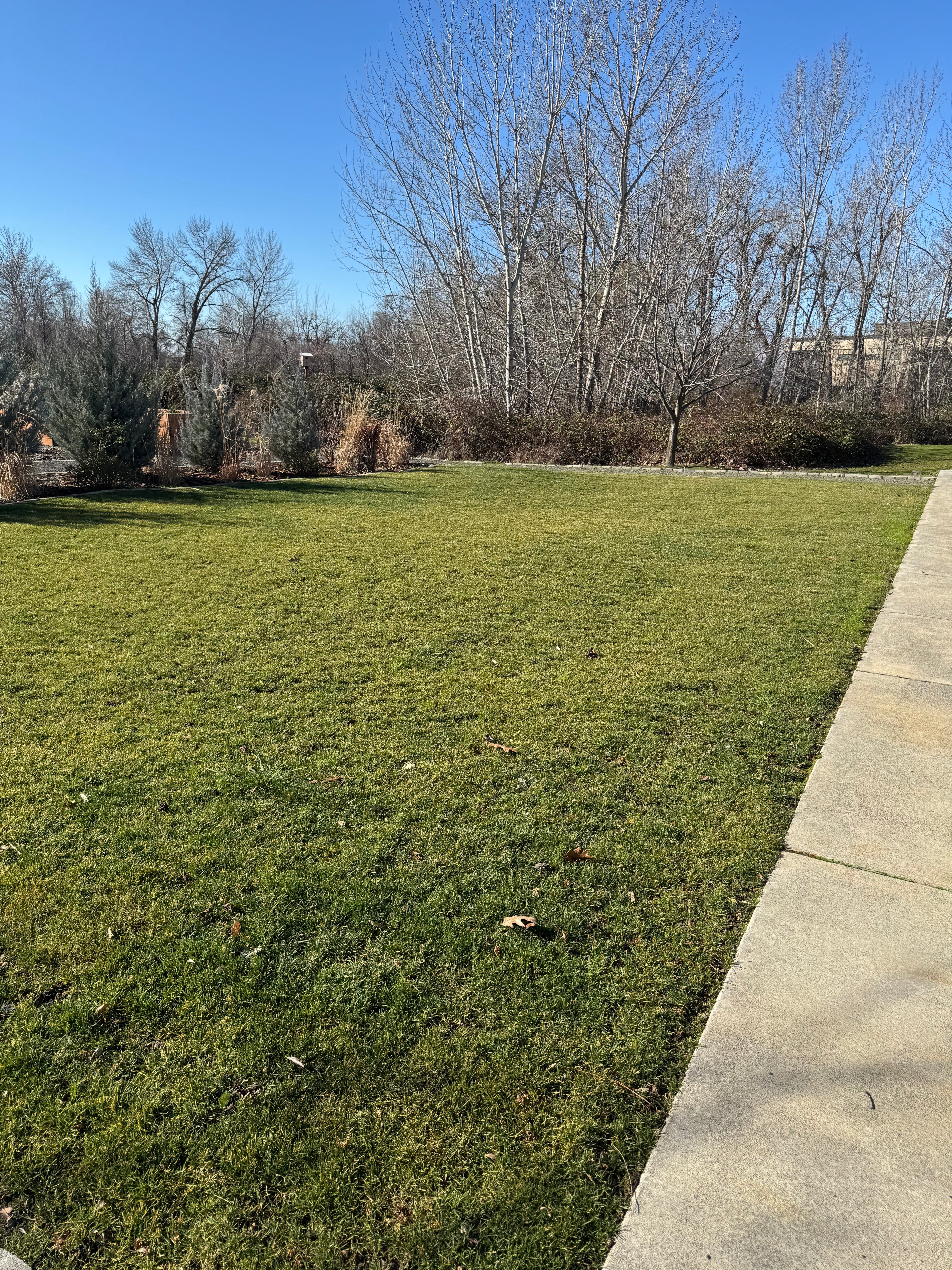
If you are staring at a patchy, pale, or underperforming lawn this spring, a soil test is the fastest way to figure out what is actually wrong and how to fix it without wasting money on random products. Instead of guessing which fertilizer to buy, a spring lawn soil test gives you a clear picture of your soil’s nutrient and pH levels so you can make targeted, sustainable applications.

Why a Spring Soil Test Matters
Spring is when lawns wake up from winter and start actively growing, which means it is also when nutrient demand ramps up. A soil test at this time of year shows you what is immediately available to your grass so you can support that early-season growth correctly.
The MySoil Test Kit is designed as the “health and wellness test” for your lawn, giving you a lab-quality look at your soil instead of relying on generic assumptions. With one test you learn what to apply, how much to apply, and when to apply it, so every spring application serves a specific purpose instead of being a guess.
Signs You Need a Spring Lawn Soil Test
You do not have to test every single year, but certain situations make a spring test especially valuable.
· You are planning to fertilize but do not know what your soil actually needs.
· You tried “weed and feed” or generic fertilizers in past seasons with little improvement.
· Your lawn has chronic thin, yellow, or bare areas even with proper watering and mowing.
· You are establishing a new lawn or doing heavy overseeding and want fast, even establishment.
· You are trying to be more sustainable and avoid over-applying nutrients like phosphorus.
In short, if you are about to invest time and money into your lawn this spring, a soil test makes sure those inputs are aligned with the soil’s real needs.
A complete lawn soil test looks deeper than a basic home strip test. The MySoil Test Kit analyzes 13 nutrients plus pH, giving you a full snapshot of your soil’s fertility.
You will see the following categories in your results:
· pH – Indicates how acidic or alkaline your soil is, which controls how available nutrients are to the grass.
· Primary Macronutrients – Nitrogen (N) as both ammonium and nitrate, Phosphorus (P) and Potassium (K); these directly impact root development, stress tolerance, leaf growth and overall vigor.
· Secondary macronutrients and micronutrients – Elements like Calcium, Magnesium, Sulfur, Iron, Zinc, Manganese and others that support strong, resilient turf growth.

Because the test is calibrated for lawns and gardens (as well as many other selectable categories), the report does more than just list numbers; it provides fertilizer and amendment recommendations based on research and turf performance needs.
How to Take a Good Spring Sample
The accuracy of your results depends on how you collect your sample. The goal is to pull a small amount of soil from multiple spots so the lab sees an average of your lawn, not just one good or bad area.
For an established lawn:
· Sample when soil is not frozen or waterlogged, typically as the lawn is starting to green up in spring.
· Take small cores or slices from 6 inches deep in several evenly spaced locations across the lawn.
· Avoid heavily localized problem spots like pet urine burns or compacted areas unless you are specifically testing those areas.
· Mix the collected soil together in a clean container and follow the MySoil kit directions to fill the sample container.
MySoil’s DIY Lawn & Turf guidance also recommends testing new or overseeded lawns 2–3 weeks prior to seeding to balance pH and nutrients.
For a more in-depth explanation be sure to check out "How to Take a Soil Sample for Accurate Lawn and Garden Testing"
How to Read Your Soil Test Results
When your MySoil report is ready, you will see your soil’s values along with clear visual indicators and recommendations. Instead of leaving you to decode lab jargon, the platform translates your results into plain-language guidance that you can act on right away.
Key items to look for include:
· pH range – Most lawns perform best in a slightly acidic to neutral range; if your pH is too low or too high, many nutrients become less available and fertilizer efficiency drops.
· Nutrient levels vs. targets – Your report shows whether each measured nutrient is low, adequate, or high relative to ideal ranges for lawns.
· Specific recommendations – MySoil provides fertilizer and amendment suggestions tailored to your results, including what type of product to apply and at what rate.
Because everything is saved in an online dashboard, you can compare tests year after year and track how your soil improves over time as you follow the recommendations. MySoil’s recommendations are designed to be sustainable, encouraging you to apply only the fertilizer and amount your lawn needs based on data rather than habit. That means fewer wasted products, better lawn performance, and more environmentally responsible lawn care.
For most established lawns, testing every 2–3 years is enough to keep your fertility program on track. However, there are situations where annual spring testing makes sense.
· You are working on correcting a major pH issue or significant nutrient deficiency.
· You have recently renovated, added a lot of organic material, or changed irrigation practices.
· You manage high-value turf where performance expectations are very high.
MySoil makes it simple to store and review multiple tests in one interface so you can see trends and adjust your program gradually rather than overcorrecting in a single season.
Turning Your Spring Test into a Season-Long Plan
A spring lawn soil test is not just a one-time checkup; it is the starting point for a season-long plan. Once you have your results, you can map out fertilizer applications for the rest of the year.
Using MySoil’s lawn guidance, a typical cool-season lawn program might look like:
· First fertilizer application in early spring when the lawn begins greening up, based on your test’s nutrient priorities.
· Follow-up applications every 5–6 weeks during active growth, you’ll receive notifications of when to apply next if you put your first application in the MySoil calendar. If you receive a notification to fertilize and feel that the turf still looks great, simply click ‘delay’ and the notification will be postponed for an additional week
· Re-evaluation in late summer or fall if you are doing major repair, overseeding, or correcting stubborn issues.

Because all of this is grounded in your soil test data, each application is part of a coordinated strategy to build healthier soil and a stronger lawn over time.
Get the MySoil Grow app in your app store:


For more tips, guides, and educational resources, be sure to check out the following:
Share:
What Should I Do To My Lawn After Winter?
How To Prepare Your Lawn Before the Heat Hits? Summer checklist