
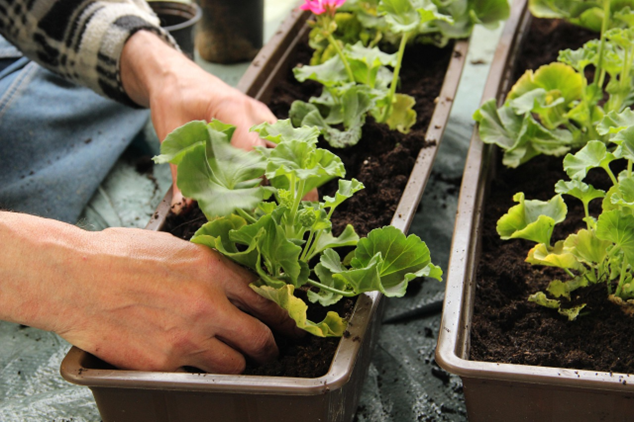
You don’t need a big suburban backyard to grow something beautiful and useful. A mini garden can live on a balcony, patio, porch, or even a sunny windowsill, and still produce fresh herbs, flowers, or vegetables. Starting small also makes gardening less overwhelming and easier to maintain, especially if you’re just getting started.
A thriving mini garden comes down to three things: choosing the right spot, building healthy soil, and picking plants that match your space and sun. This guide walks you through each step, with specific tips to get the most from every square inch.

Step 1: Choose your mini garden spot
Before you buy a single plant, decide where your mini garden will live. For most people, that ends up being one of these:
- Balcony or patio
- Front step, porch, or small concrete pad
- Small strip of yard
- Sunny windowsill or indoor shelf
The most important factor is sunlight. Most herbs and vegetables need 6–8 hours of direct sun per day, while many leafy greens and some flowers can do well with a bit less. Spend a day noticing which areas stay bright the longest; south‑facing spots usually get the most sun, while north‑facing areas often stay shadier.
If you’re growing indoors, pick a window that gets consistent light and avoid locations blocked by neighboring buildings or trees.

Step 2: Get Clear on Your Mini Garden’s Job
Next, decide what you actually want this mini garden to do for you. It might be:
- A kitchen herb garden (basil, parsley, chives, cilantro)
- A salad garden (lettuce, spinach, arugula, radishes)
- A flower garden (pollinator‑friendly blooms, compact annuals)
- A mixed garden with a bit of everything in one tight setup
Start with what you actually use and enjoy. Looking at your weekly grocery list is a quick way to choose a few herbs or vegetables you’ll be excited to harvest. If you mostly cook with fresh herbs, a tight cluster of herb pots near the kitchen door might be ideal. If you love color, focus on compact flowering plants and maybe one or two favorite edibles.
It’s better to start with just a handful of plants and scale up later. Keeping your first mini garden simple helps you learn watering, light, and basic care without feeling overwhelmed.

Step 3: Pick Your Growing Setup
In small spaces, containers do most of the heavy lifting. You can also use a small raised bed or a tiny in‑ground plot if you have a bit of soil to work with.
- Containers: Great for balconies, patios, and porches. Use pots with drainage holes so water can escape. Match container depth to the plant—herbs and lettuce can thrive in shallow pots, while tomatoes and peppers need deeper containers.
- Small raised bed: Perfect for a tiny yard or side yard. A 2×4 or 3×3 foot bed is enough for a mini kitchen garden.
- In‑ground strip: If you have a narrow strip of soil, you can convert it to a small border garden by improving the soil and planting a tight row of herbs, flowers, or greens.
Reused items like buckets, wooden crates, or troughs can work if you drill drainage holes and line them appropriately. Just make sure they’re food‑safe if you’re growing edibles.

Step 4: Build Good Soil From the Start
Healthy plants come from healthy soil, even in the smallest garden. In fact, mini gardens are less forgiving of poor soil because every root has limited space. Want to see some of the best performing bagged soils for a mini garden? Check out the top 10 ranked here and see how they perform in small containers.
- In containers: Use a high‑quality potting mix formulated for vegetables or containers, not heavy topsoil from the yard. Mix in some finished compost or a gentle organic fertilizer to provide long‑lasting nutrition.
- In raised beds or small in‑ground plots: Loosen the soil and blend in compost to improve structure, drainage, and nutrient levels. In many small plots, the native soil is either very sandy or heavy clay, so amending with compost makes an immediate difference.
Because space is tight, it pays to know exactly what your soil needs. This is where a professional soil test shines. A lab‑based test shows your pH and nutrient levels so you can add only what’s missing and avoid over‑fertilizing in a small, contained area. Before you plant, use a MySoil test kit to see what’s going on below the surface. A simple test will tell you your pH and nutrient levels and recommend the perfect fertilizer so you can tailor amendments to your mini garden instead of guessing.

Step 5: Match Plants to Your Light and Space
Once you understand your light and have chosen containers or beds, pick plants that are actually built for those conditions.
For sunny mini gardens (6–8 hours of sun):
- Herbs: basil, thyme, rosemary, oregano, chives
- Vegetables: cherry tomatoes, peppers, bush beans, cucumbers on a small trellis
- Flowers: marigolds, zinnias, dwarf sunflowers, compact pollinator mixes
For partial shade (3–5 hours of sun or bright indirect light):
- Herbs: mint (in its own pot), parsley, cilantro
- Vegetables: lettuce, spinach, arugula, some kale varieties
- Flowers: impatiens, begonias, shade‑tolerant annuals
Look for dwarf, patio, or “compact” varieties on seed packets and plant tags. These are bred to stay smaller and perform better in pots and small beds. Avoid overcrowding; each pot or section of a raised bed should give every plant enough room to reach its mature size without constant competition.
Step 6: Plant Well and Keep Up With Watering
When you’re ready to plant:
- Fill your container or bed with moistened potting mix or amended soil.
- Gently remove seedlings from their cells or small pots, loosen any circling roots, and set them at the same depth they were growing before.
- Firm the soil around each plant and water thoroughly to eliminate air pockets.
In a mini garden, watering is the main routine task. Containers and small beds dry out faster than large gardens, especially in warm or windy conditions. Use the “finger test”: push a finger into the top 1–2 inches of soil; if it feels dry, water until the soil feels evenly moist.
Fertilize lightly according to your soil test results and product directions. In many mini gardens, a slow‑release or organic fertilizer scratched into the top layer once or twice a season is enough, especially when you start with good soil and compost.

Step 7: Harvest Often and Rotate as You Go
One advantage of mini gardens is how quickly you see results. Many herbs and lettuces are ready for light harvests within a few weeks. Pick outer leaves or snip small amounts frequently to encourage fresh growth rather than waiting for a single big harvest.
As the season goes on:
- Replace spent plants (like spring lettuce) with warm‑season crops (like basil).
- Refresh container soil between seasons or top‑dress with compost for raised beds.
- Watch for pests regularly; in small gardens, hand‑picking or a quick spray of water often keeps issues in check before they spread.
Over time, you can add vertical elements like a slim trellis, hanging baskets, or a tiered plant stand to multiply your growing space without taking more floor area. These simple add‑ons can turn even a tiny patio into a lush, productive mini garden.

Share:
Garden Soil Demonstration: Untreated vs Biochar vs Origin Organic Fertilizer vs Biochar + Origin Organic Fertilizer (Soil Test & Root Growth Results)
Garden Watering Guide: Best Irrigation Methods for Healthy Soil and Plants