
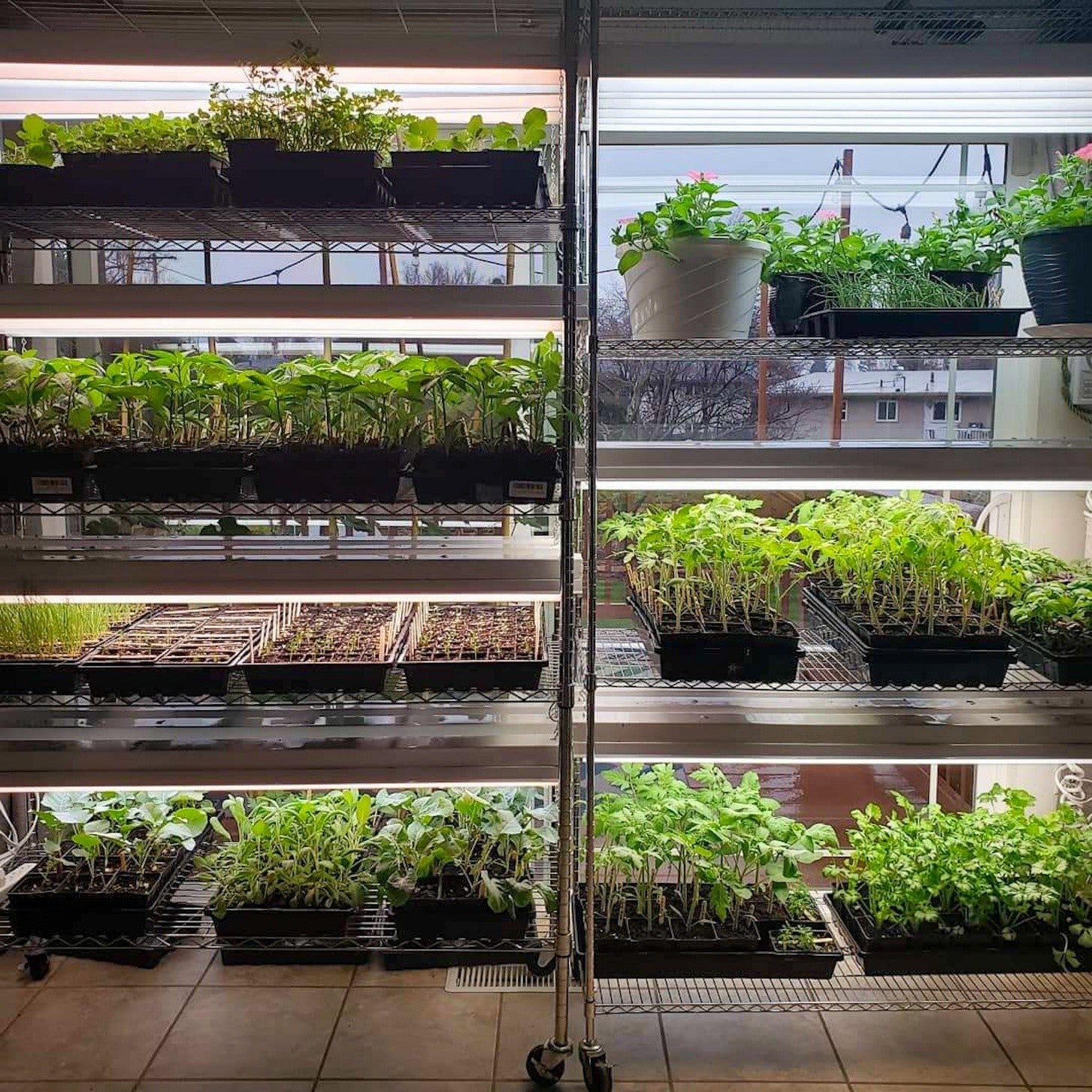
Let’s start this discussion as broad as we can and then narrow it down with guidance for specific plant species in the garden. In general, you should start most seeds indoors 4–12 weeks before your last expected spring frost, and the exact timing depends on both your USDA hardiness zone and the crop you’re growing. The fastest way to dial this in is to look up your zone and local frost dates with a zone‑finder tool like WhatsMyGrowZone.com, then count backward from that date using the timing on each seed packet.

USDA hardiness zones are based on average annual minimum winter temperatures and are grouped into numbered bands from 1 (coldest) to 13 (warmest). Each zone has typical last spring and first fall frost windows, which control how long your frost‑free growing season is. Colder zones (2–5) have later last frosts and shorter seasons, so indoor seed starting is essential to mature warm‑season crops in time. Warmer zones (8–10+) see very early last frosts or almost no frost at all, so you often start seeds indoors earlier on the calendar but with fewer weeks needed under lights.
Couple this information with real time soil temperature data that is at your fingertips with the MySoil Grow App to really dial in your transplant/planting timing in your zone.
Get FREE MySoil Grow App in Google Play Store Here!
Get FREE MySoil Grow App in Apple Store Here!
Step 1: Find your last frost date with a zone tool
Your last spring frost date is the anchor for all indoor seed timing. Once you know that date, most seed packets will tell you something like “start indoors 6–8 weeks before last frost” or “sow indoors 3–4 weeks before last frost,” which you simply count backward on a calendar.
Typical last frost windows by zone (approximate):
· Zones 3–4: Early May to late May.
· Zones 5–6: Mid‑April to early May.
· Zones 7–8: Late March to mid‑April.
· Zones 9–10: Late February to mid‑March.

Step 2: Use crop‑by‑crop timing windows
Most vegetables and flowers fall into a few common timing bands for indoor seed starting.
Typical ranges:
· 10–12 weeks before last frost
o Slow growers and many perennials (e.g., some onions from seed, leeks, slow flowers).
· 8–10 weeks before last frost
o Tomatoes, peppers, eggplant, many herbs, some long‑season flowers.
· 6–8 weeks before last frost
o Broccoli, cabbage, kale, lettuce, many cool‑season brassicas, plus some warm crops like tomatoes in warmer zones.
· 4–6 weeks before last frost
o Faster crops such as basil, cucumbers, summer squash, some annual flowers that transplant easily.
· 2–4 weeks before last frost
o Very fast‑growing crops that don’t like being pot‑bound, such as zucchini, pumpkins, some squashes, and a few greens.
 Image: Asparagus seedlings in a tray.
Many seeds can also be direct‑sown outdoors; the benefit of starting indoors is a head start and more control over germination and early growth. To tailor this to your own climate and location, apply these week‑ranges to your garden journal or personal calendar in the MySoil Grow app.
Ok, now you know your zone, now use these example templates below.
Typical last frost: mid–May.
If your last frost is May 15:
· 10–12 weeks before (late February to early March):
o Start onions from seed, leeks, slow flowers like some perennials.
· 8–10 weeks before (early to mid‑March):
o Start tomatoes, peppers, eggplant indoors; begin brassicas like broccoli if you want an early transplant.
· 6–8 weeks before (late March):
o Start cabbage, kale, chard, early lettuce.
· 4–6 weeks before (early to mid‑April):
o Start basil, cucumbers, fast annual flowers; avoid starting squash too early or they will overgrow their cells.
· 2–4 weeks before (late April):
o Start zucchini, pumpkins, and other very fast vines indoors if you want a jump; otherwise plan to direct seed after frost.

Zone 6 (mid‑range, common suburban gardens)
Typical last frost: late April to early May.
If your last frost is April 25:
· 10–12 weeks before (late January to early February):
o Start onions from seed and any especially slow perennial flowers.
· 8–10 weeks before (early to mid‑February):
o Start tomatoes, peppers, eggplant, some herbs like parsley.
· 6–8 weeks before (late February to early March):
o Start broccoli, cabbage, kale, lettuce, and other cool‑season transplants.
· 4–6 weeks before (early to mid‑March):
o Start basil, cucumbers, some squash, and many annual flowers for beds and containers.
· 2–4 weeks before (late March to early April):
o Start very fast crops like zucchinis or pumpkins indoors if desired; many can simply be direct‑sown outdoors after frost.
Zone 8–9 (mild winters, long season)
Typical last frost: late February to late March.
If your last frost is March 10:
· 10–12 weeks before (mid‑December to early January):
o Start onions from seed and any very slow ornamentals.
· 8–10 weeks before (early to mid‑January):
o Start peppers, tomatoes, eggplants, and cool‑season brassicas for very early planting.
· 6–8 weeks before (late January):
o Start lettuce, kale, broccoli for late winter/early spring planting.
· 4–6 weeks before (early to mid‑February):
o Start basil, cucumbers, squash, and fast annual flowers.
· 2–4 weeks before (mid‑ to late February):
o Start only the quickest crops indoors, or plan to direct‑sow once soil has warmed after your frost date.

In frost‑free or nearly frost‑free parts of zones 9–10, indoor seed starting is more about beating early heat and pests than avoiding frost, but the same “count backward by weeks” logic applies.
Quick “weeks before frost” cheat sheet
For most home gardeners, this simple rule of thumb works well once you know your zone and last frost date from a tool like WhatsMyGrowZone.com.
· 10–12 weeks before last frost
o Onions from seed, leeks, slow perennial flowers.
· 8–10 weeks before last frost
o Tomatoes, peppers, eggplant, many herbs.
· 6–8 weeks before last frost
o Broccoli, cabbage, kale, lettuce, other cool‑season brassicas.
· 4–6 weeks before last frost
o Basil, cucumbers, some squash, many annual flowers.
· 2–4 weeks before last frost
o Zucchini, pumpkins, other fast vines and quick crops.
Always cross‑check these ranges with your seed packet, since some varieties are bred to mature faster or slower than average.

Lisanthus starts. These beauties need a long head start, as they take 12-16 weeks to grow before planting out. Starting seeds early indoors ensures they’ll be ready to bloom when the season arrives. Be patient as it can take 2 weeks for germination.
How soil and indoor conditions affect timing
Good seed‑starting timing only pays off if your indoor environment and soil mix support strong roots and compact growth.
Key points:
· Use a sterile, fine‑textured seed‑starting mix so roots have ample air and moisture without compaction.
· Maintain consistent moisture—damp but not waterlogged—to avoid damping‑off disease.
· Provide bright light (grow lights 12–16 hours per day) so seedlings stay stocky instead of leggy.
· For heat‑loving crops like tomatoes and peppers, a warm root zone speeds germination; heat mats set around 70–80 °F are valuable in cooler homes.
Once seedlings are established indoors, you’ll eventually transplant them into your in‑ground beds, raised beds, or containers. Matching the fertility in those beds to your crop’s needs—through a current soil test and tailored nutrient plan—prevents stress after transplant and helps them use your head start effectively.

Image: Transplanting a lettuce start.
Putting it all together for your garden
To build your own schedule:
1. Look up your USDA hardiness zone and local average last spring frost date using a ZIP‑code tool such as WhatsMyGrowZone.com or a trusted local source.
2. Make a plant list (e.g., tomatoes, peppers, lettuce, cucumbers, zucchini, flowers).
3. For each seed packet, note the recommended indoor starting window in weeks before last frost, then count backward on a calendar.
4. Group crops by week so you’re sowing in 2–3 big waves rather than dozens of tiny sessions.
5. Plan soil testing and bed prep a few weeks before transplant time so outdoor soil conditions match the strong root systems you built indoors.
By combining zone‑specific timing from WhatsMyGrowZone.com with accurate soil testing and recommendations from MySoilTesting.com, you create an integrated system: climate‑appropriate planting dates, healthy seedlings, and balanced soil working together for a higher‑yield, lower‑stress garden.
Share:
Developing a Raised Bed Garden Plan for the Season
Garden Soil Demonstration: Untreated vs Biochar vs Origin Organic Fertilizer vs Biochar + Origin Organic Fertilizer (Soil Test & Root Growth Results)