


Grow this lawn in 30 days
You Are In The Cool Season or Transition Zone
Select your desired lawn characteristics below


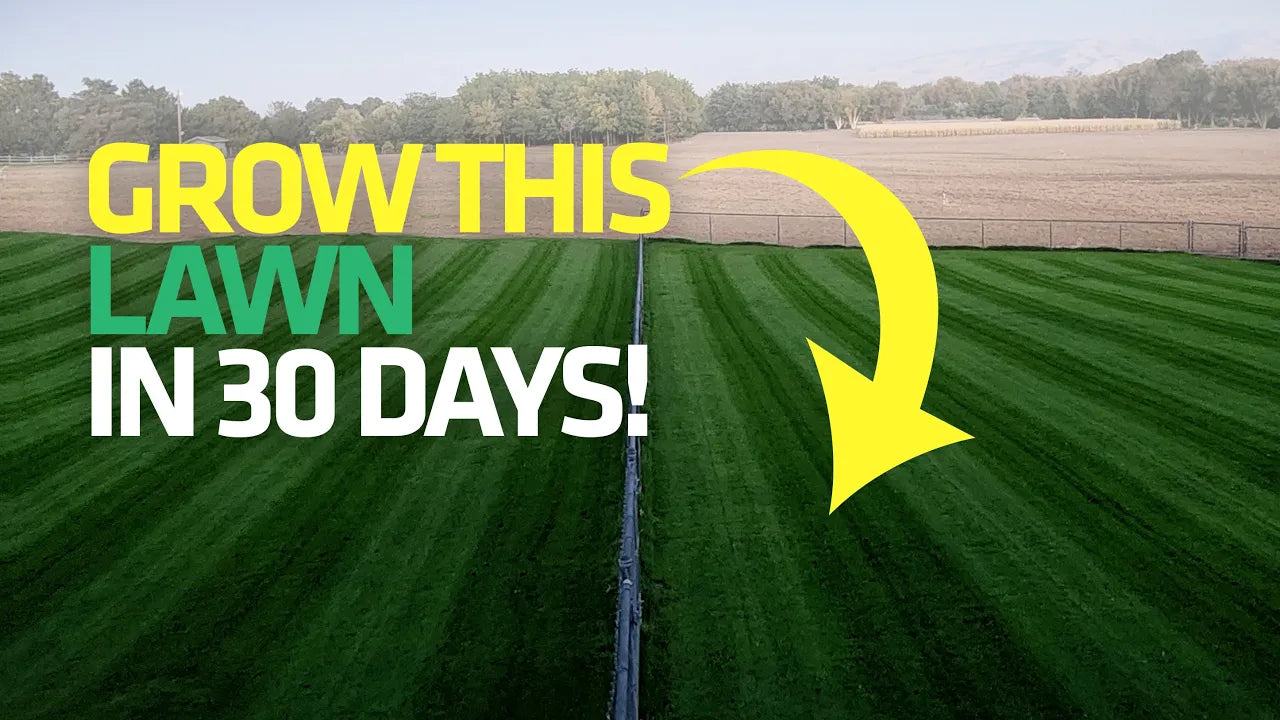
Watch to learn how to grow this lawn in 30 days!
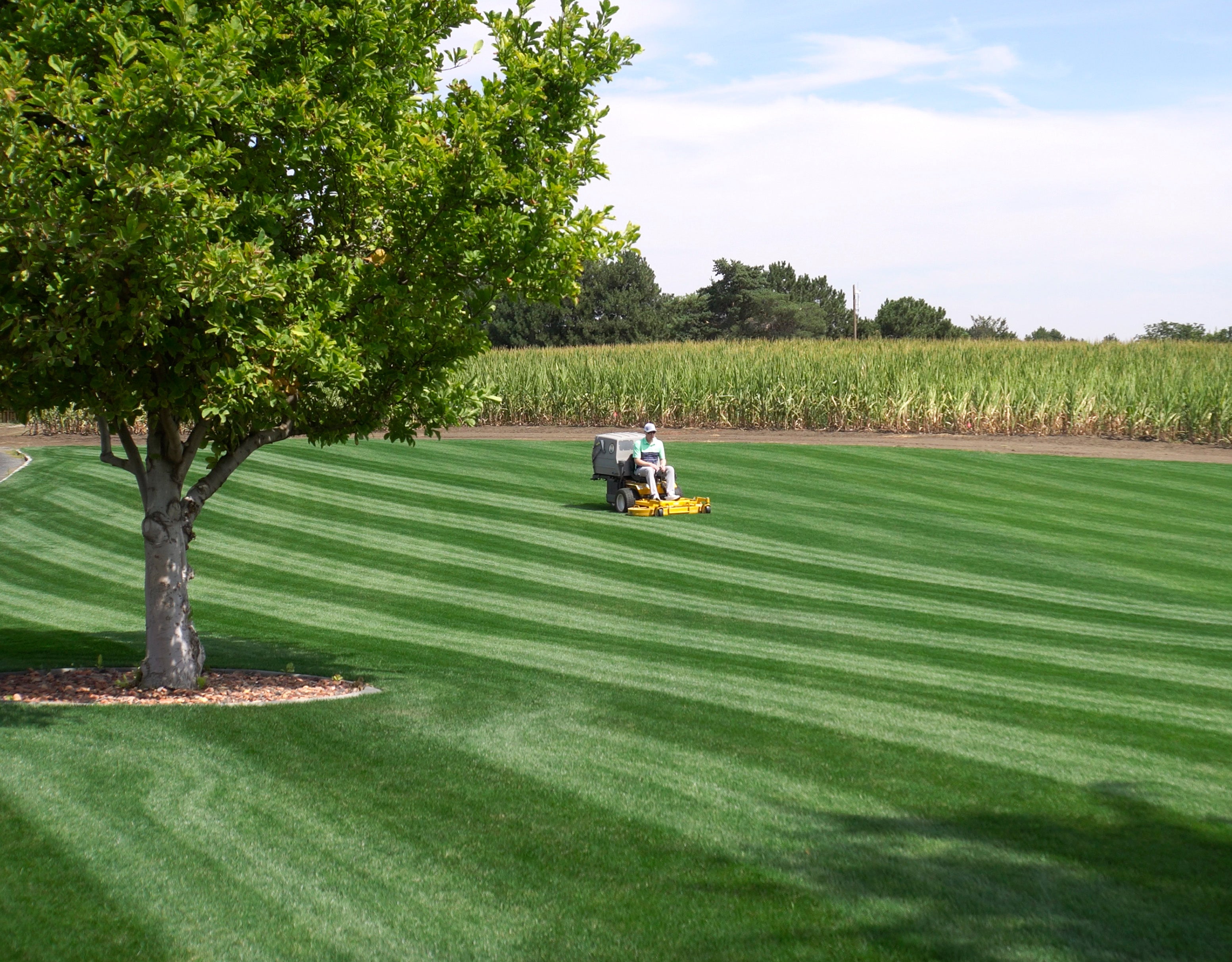
Our Story
Over the past 6+ years, the MySoil Team has used the Premium Double Dark Green (PDDG) line of grass seed for new lawns, overseeding, and every seeding project in-between.
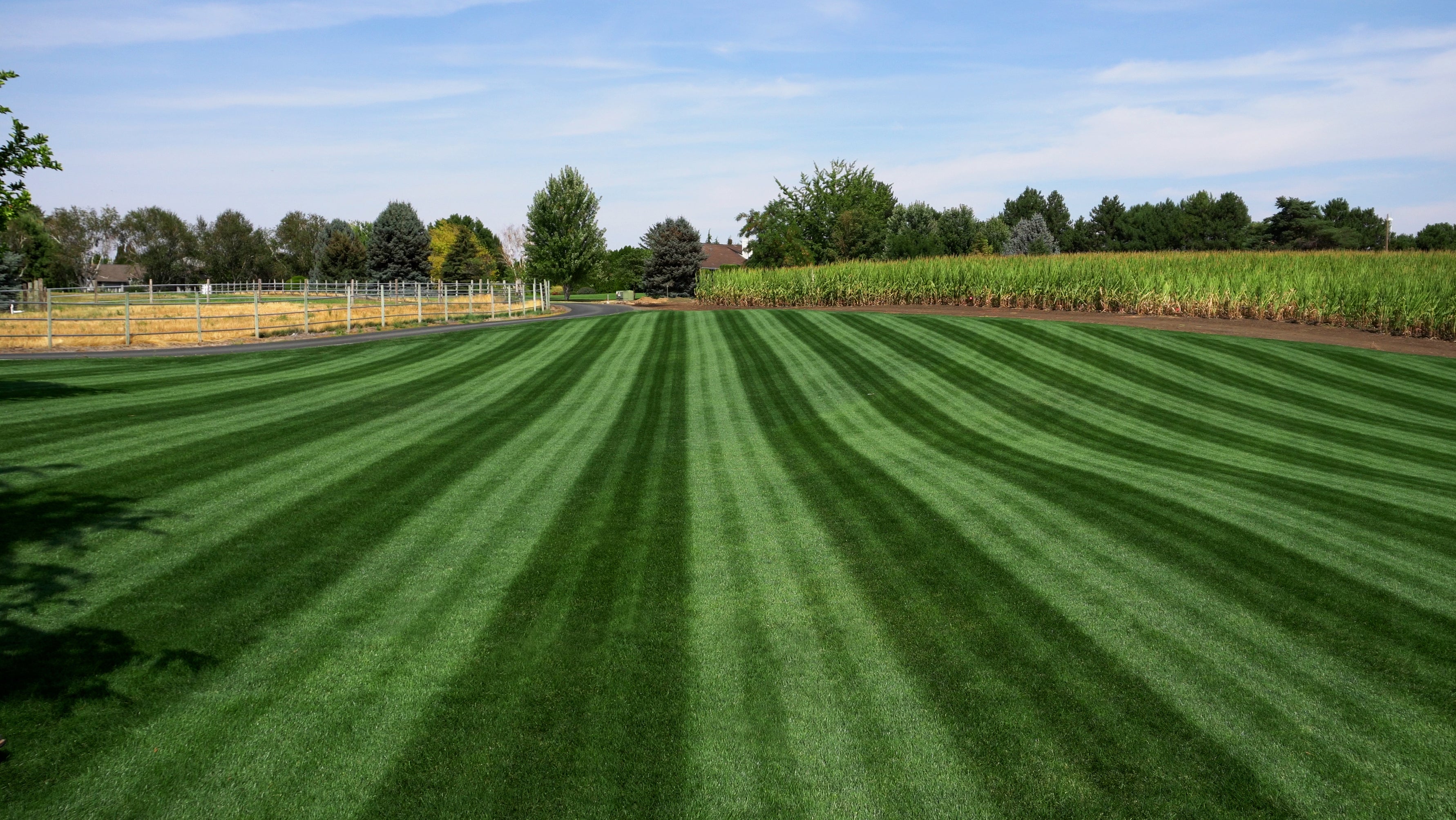
We have selected the best grass seed genetics, typically only used by golf courses and sports fields, to bring you the darkest green, most disease tolerant, and finest leaf texture grasses! We have referred friends & family to this blend with unparalleled results, a rich, thick, weed-free, dark green lawn that is the talk of the neighborhood (or even the town). We are excited to share these products with the DIY and professional landscape community and feel PDDG is perfect for anyone looking for a premium cool-season & transition zone seed for a new lawn or to convert an old lawn to new varieties.
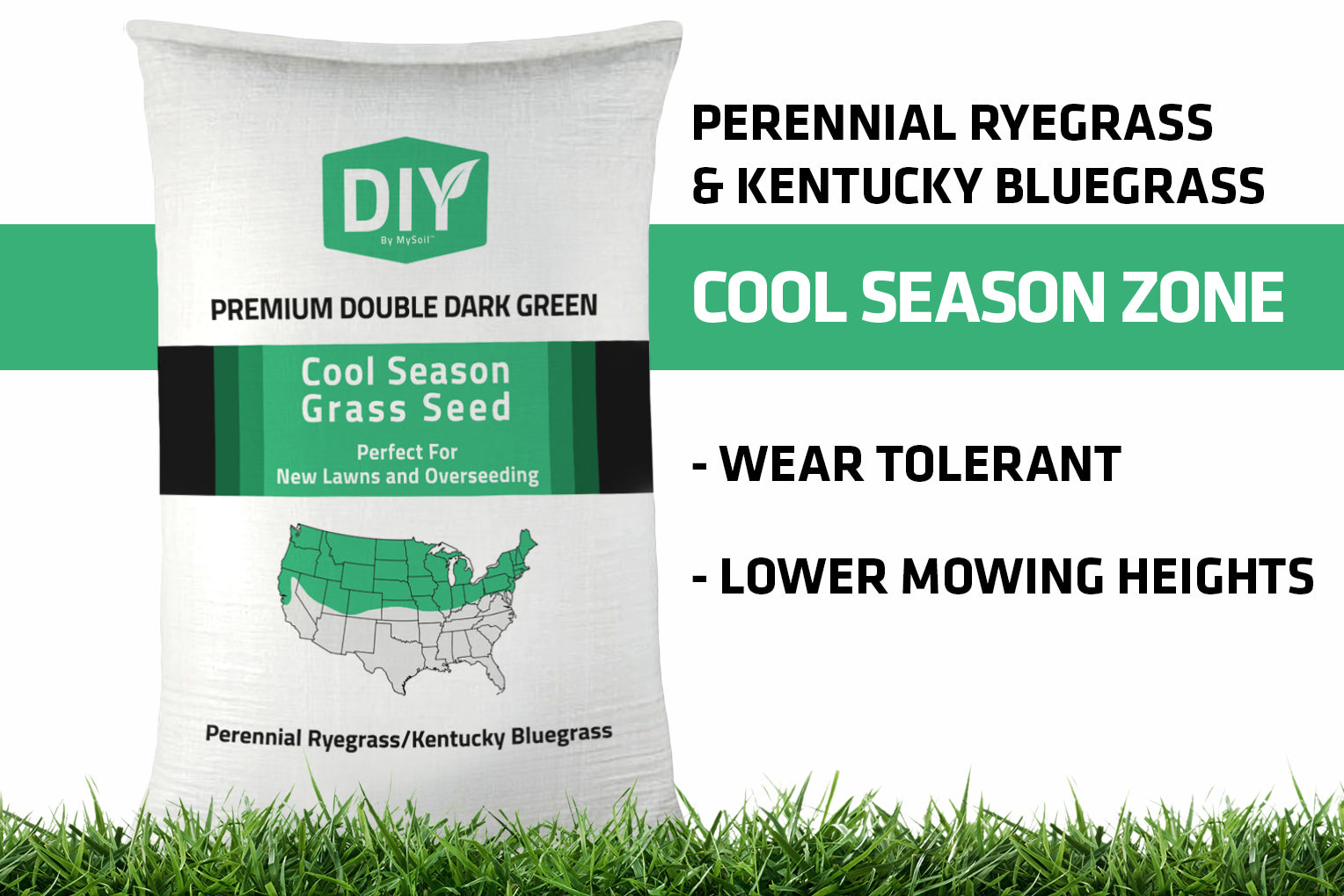
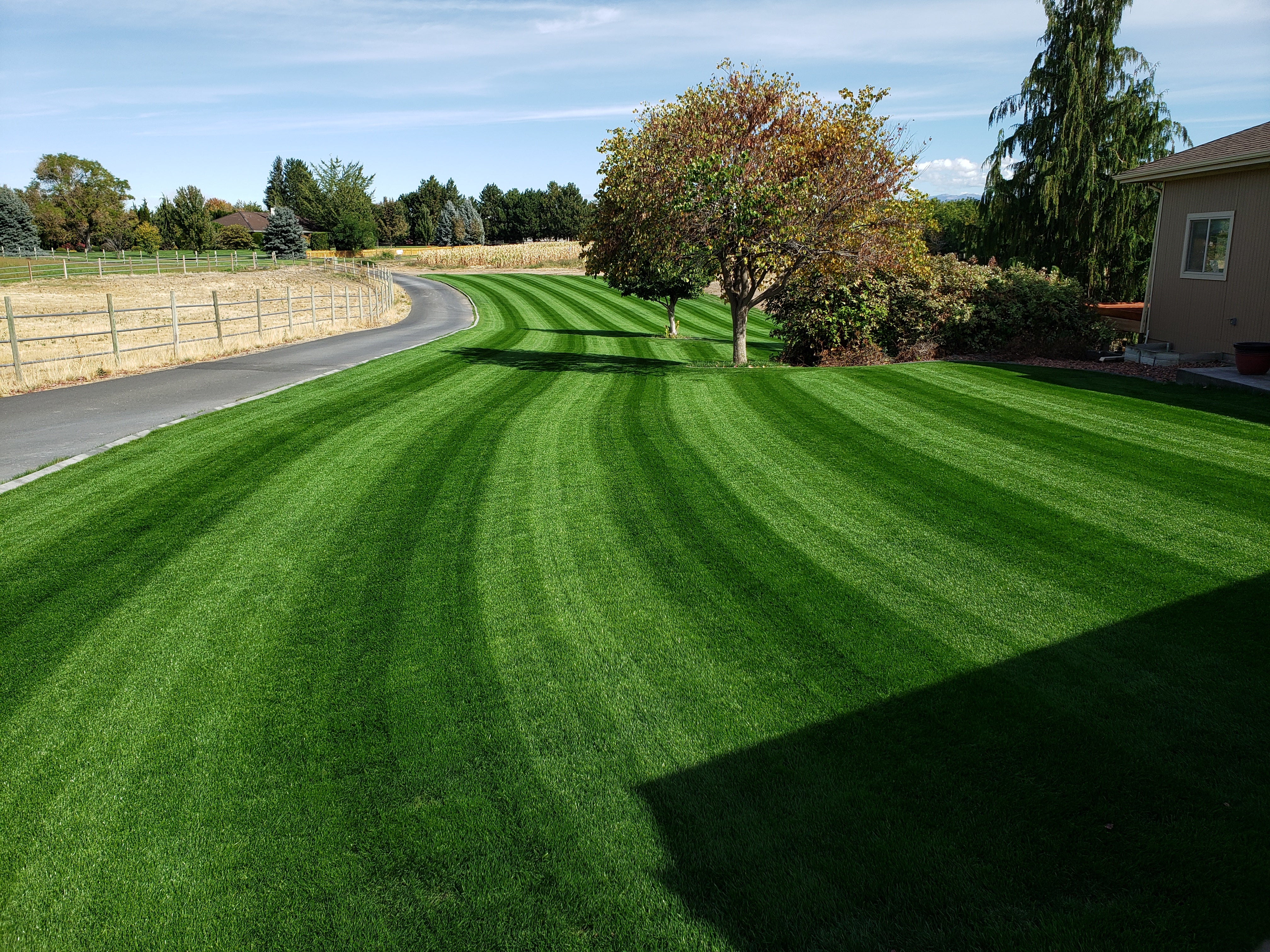
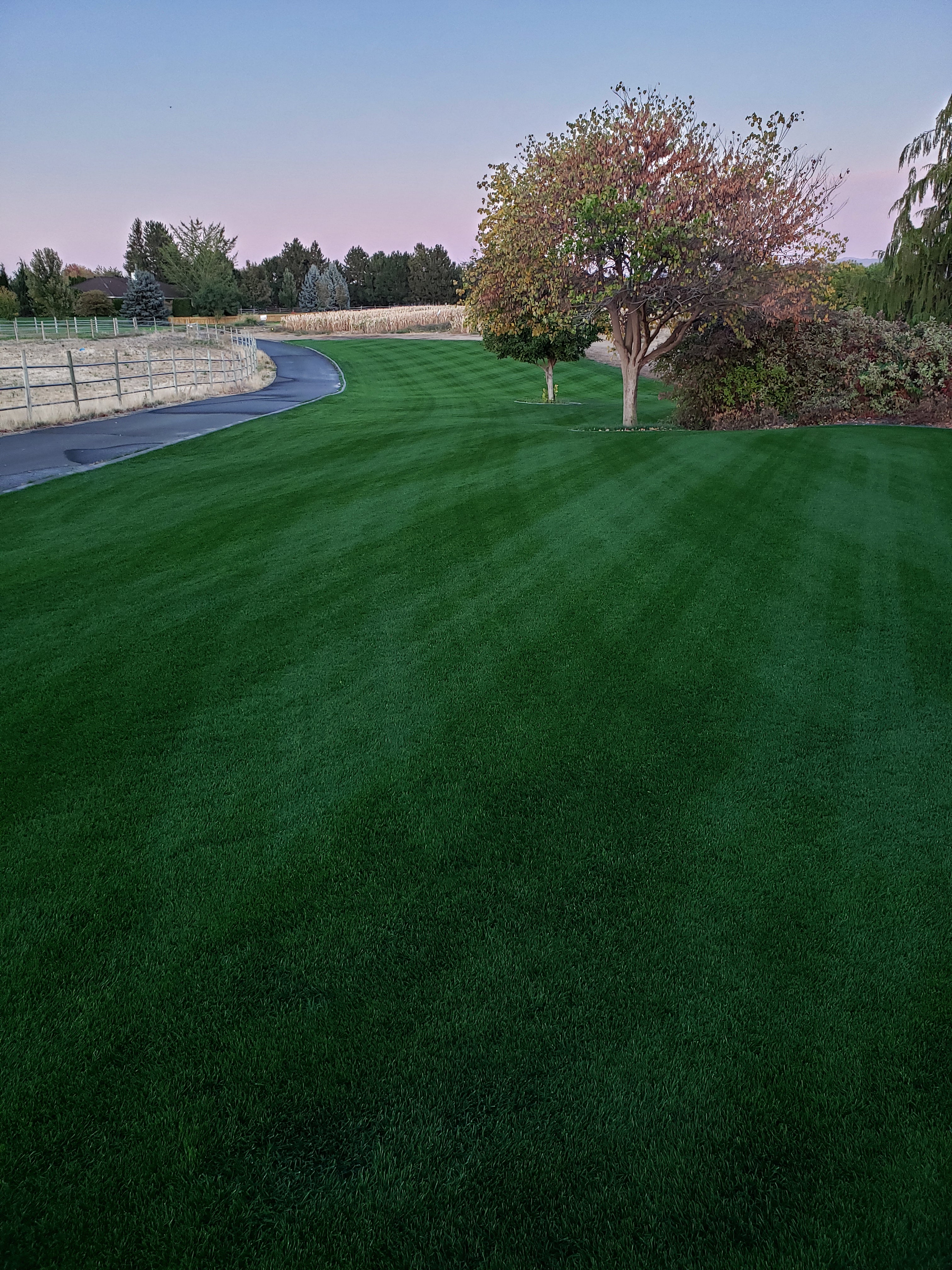
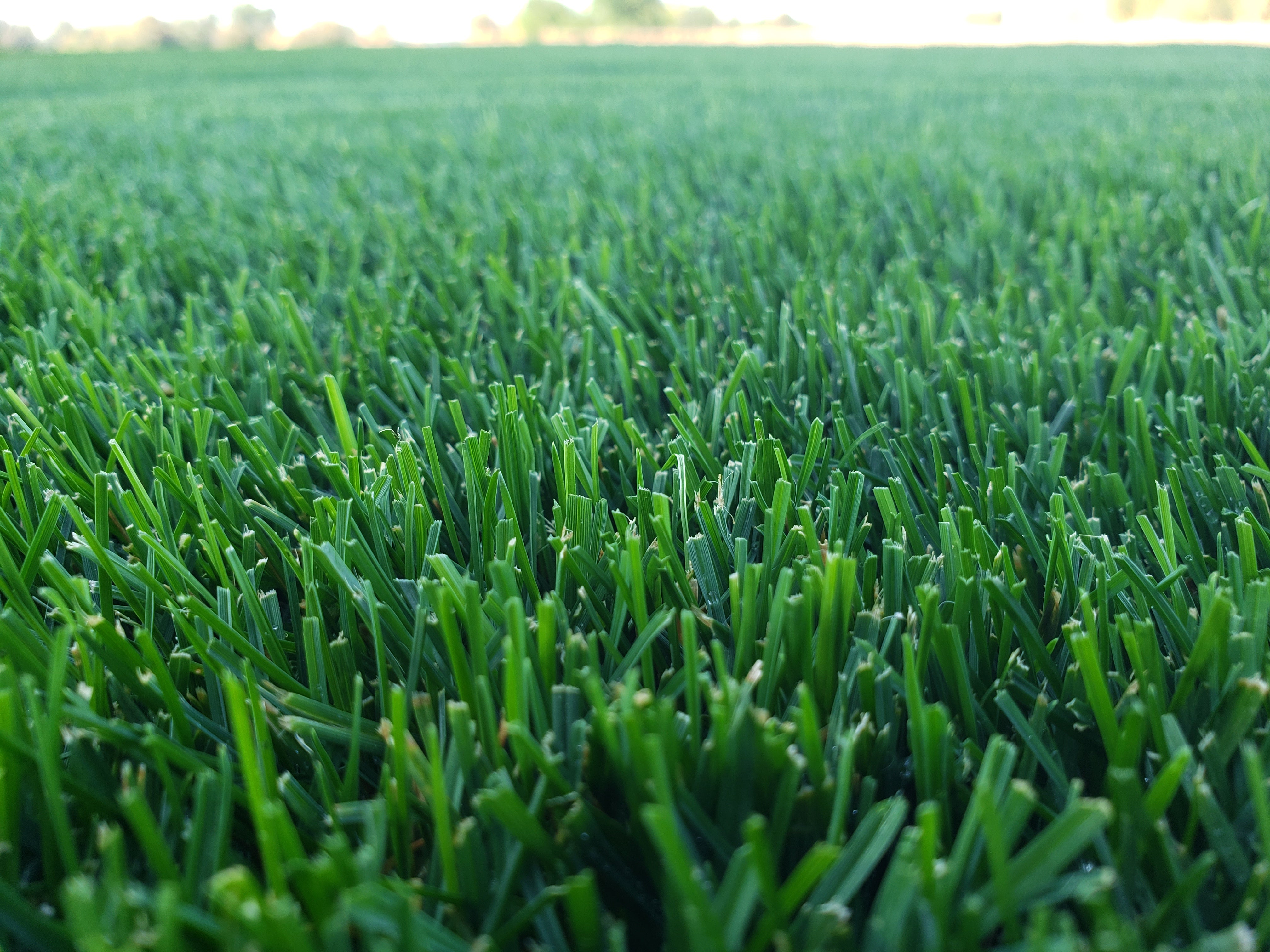
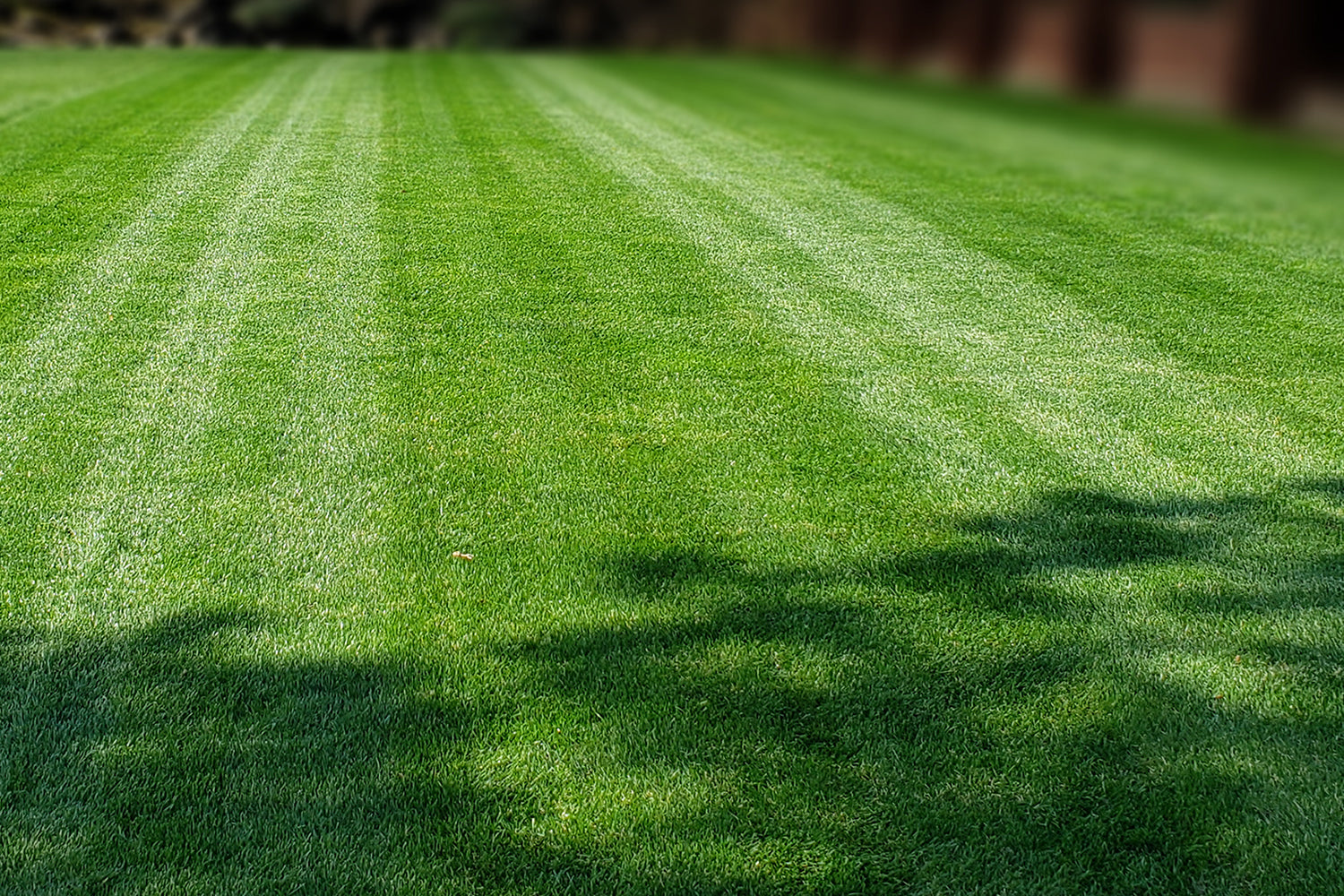
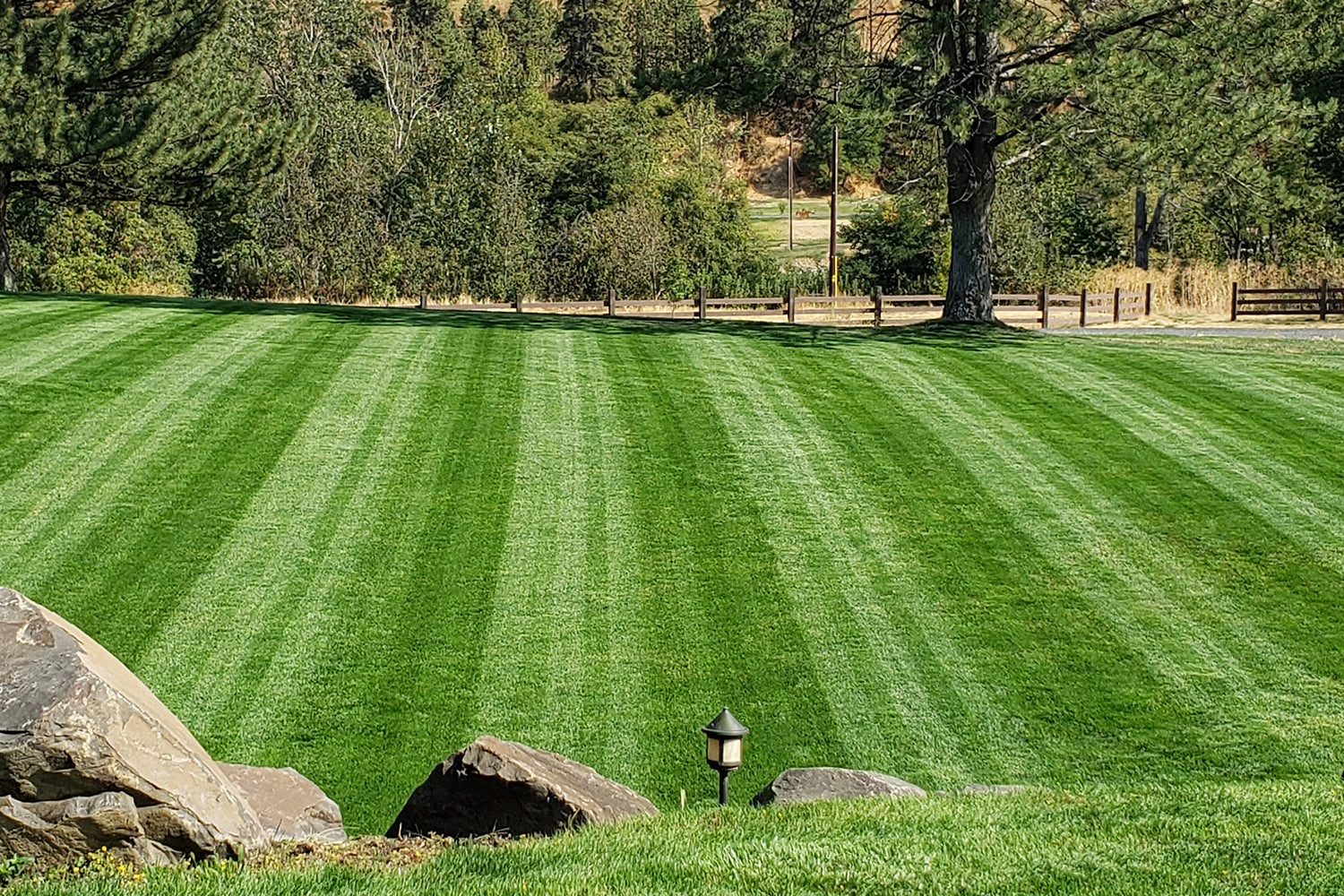
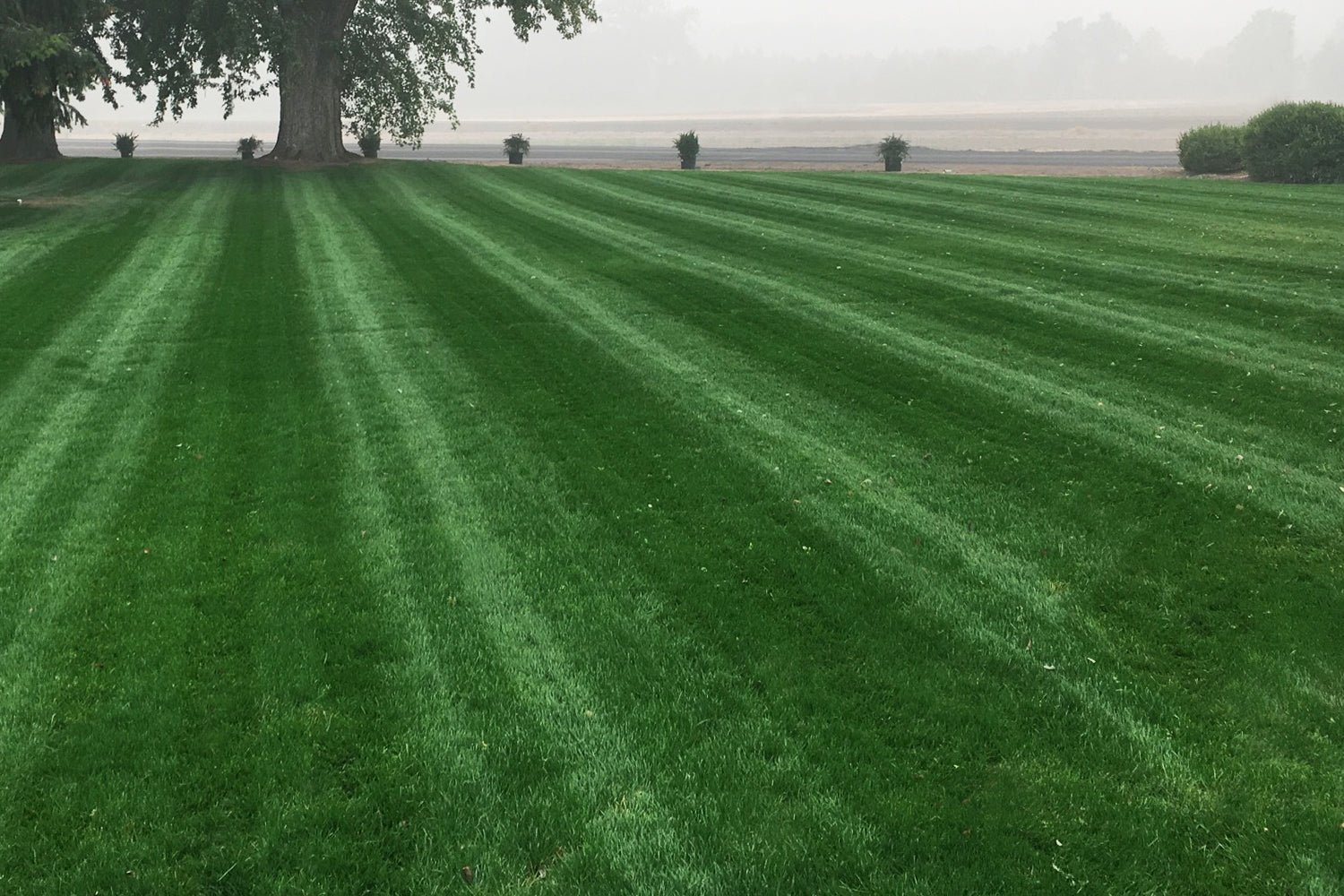
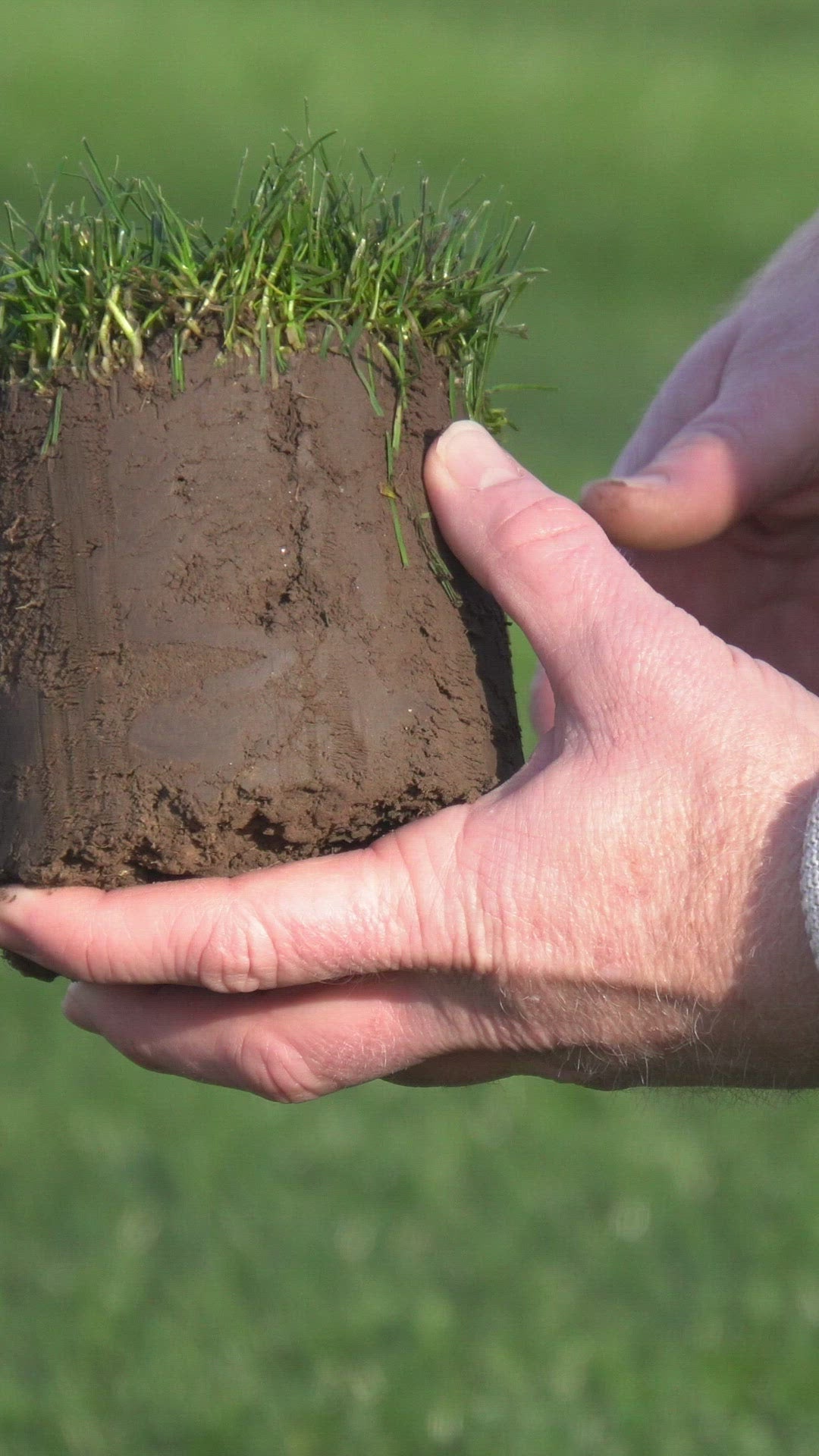


Double Dark Green Premium Grass Seed — Kentucky Bluegrass & Perennial Ryegrass | 0% Weed Seed, Certified Blue Tag
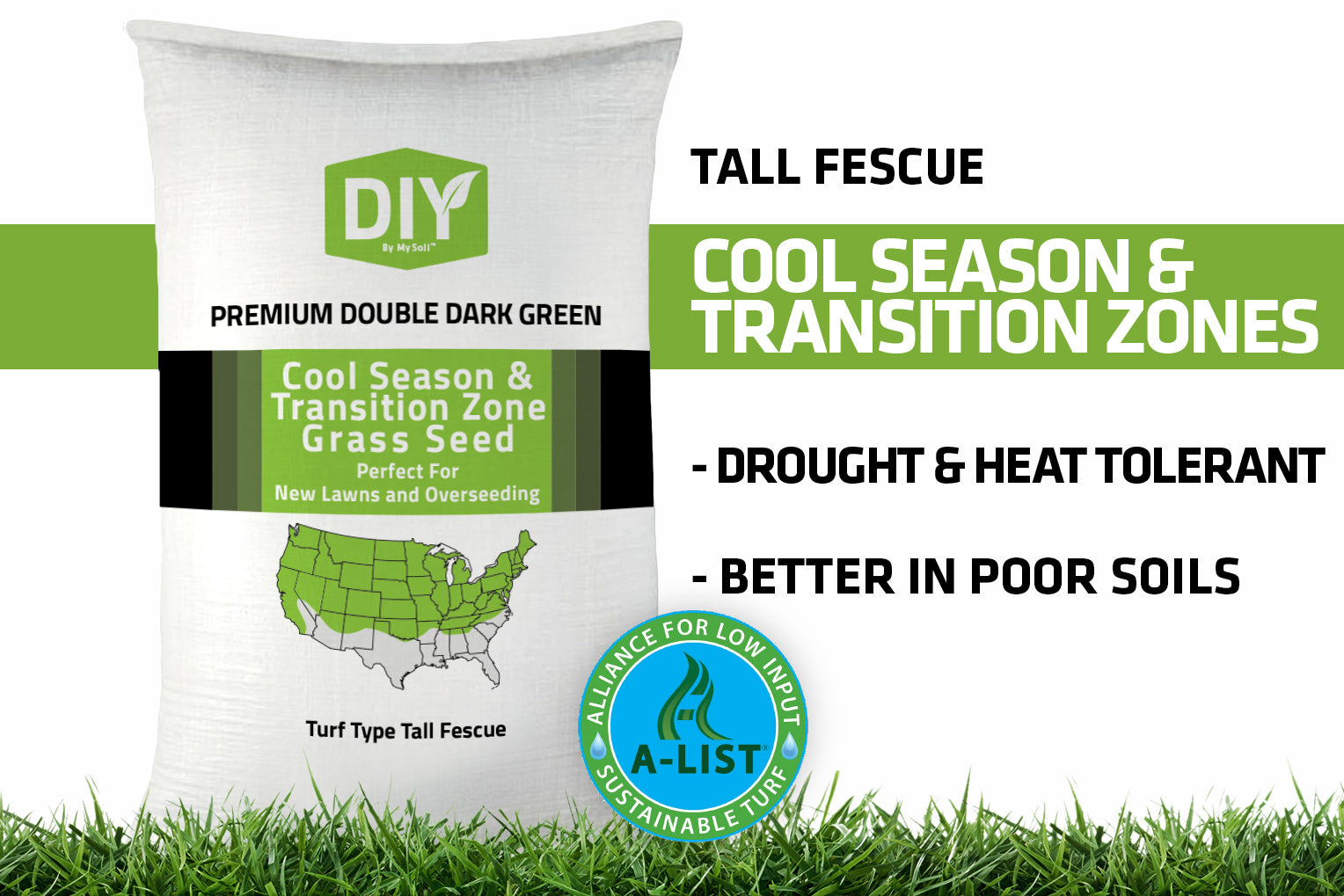

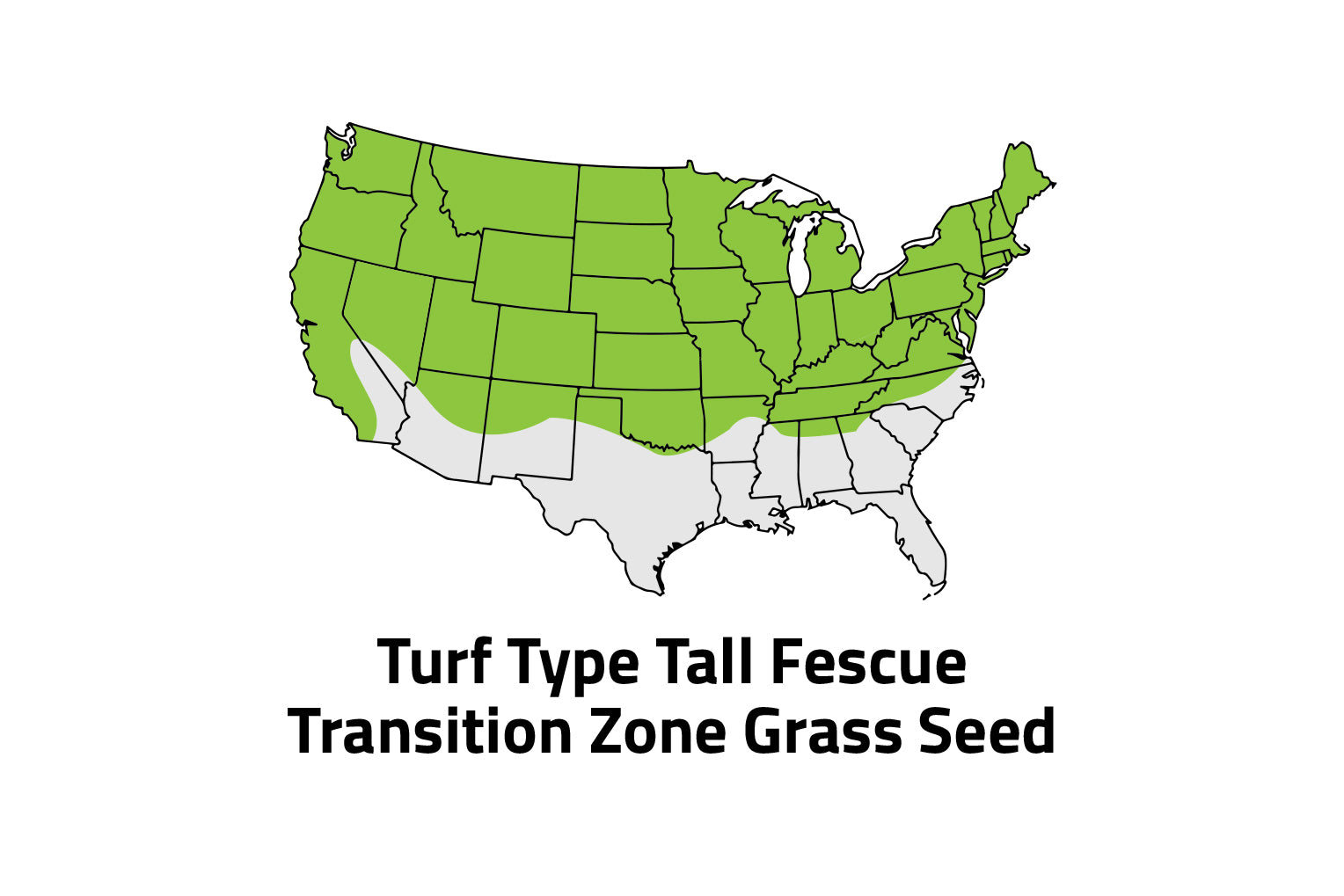


Double Dark Green Premium Turf-Type Tall Fescue Grass Seed | 0% Weed Seed, Certified Blue Tag

How Much Do I Need?
Coverage:
45lb Bag
- New Lawn: 4500-5600 sqft
- Overseeding: 5600-7500sq ft
25lb Bag
- New Lawn: 2500-3100sqft
- Overseeding: 3100-4000sq ft
12lb Bag
- New Lawn: 1200-1500sqft
- Overseeding: 1500-2400sq ft
Seeding A New Lawn
A smooth seedbed free of weeds and other debris will increase the quality of your results!
STEP 1: Remove Any Existing Turf & Weeds
To remove your current lawn & any weeds there are both mechanical & chemical methods that can be used, but usually, a combination of both is best.
CHEMICAL: A non-selective herbicide product can be sprayed to kill all existing grass and weeds. Always follow chemical labels & rates.
MECHANICAL: A sod-cutter can be used to remove existing turf & top portion of the root system. Sod strips can be disposed of. If there is very little turf and weeds a rototiller can be used to disturb the top 3-4” of soil (such as a new construction site).
COMBINATION: Most often a non-selective chemical the spray is used to kill existing plant matter followed by removal with a sod cutter or by rototilling in the dead plant material. If the material remaining after chemical kill is dense and multiple inches thick it may be best to remove with a sod cutter, followed by a shallow rototilling of 3-4” deep.
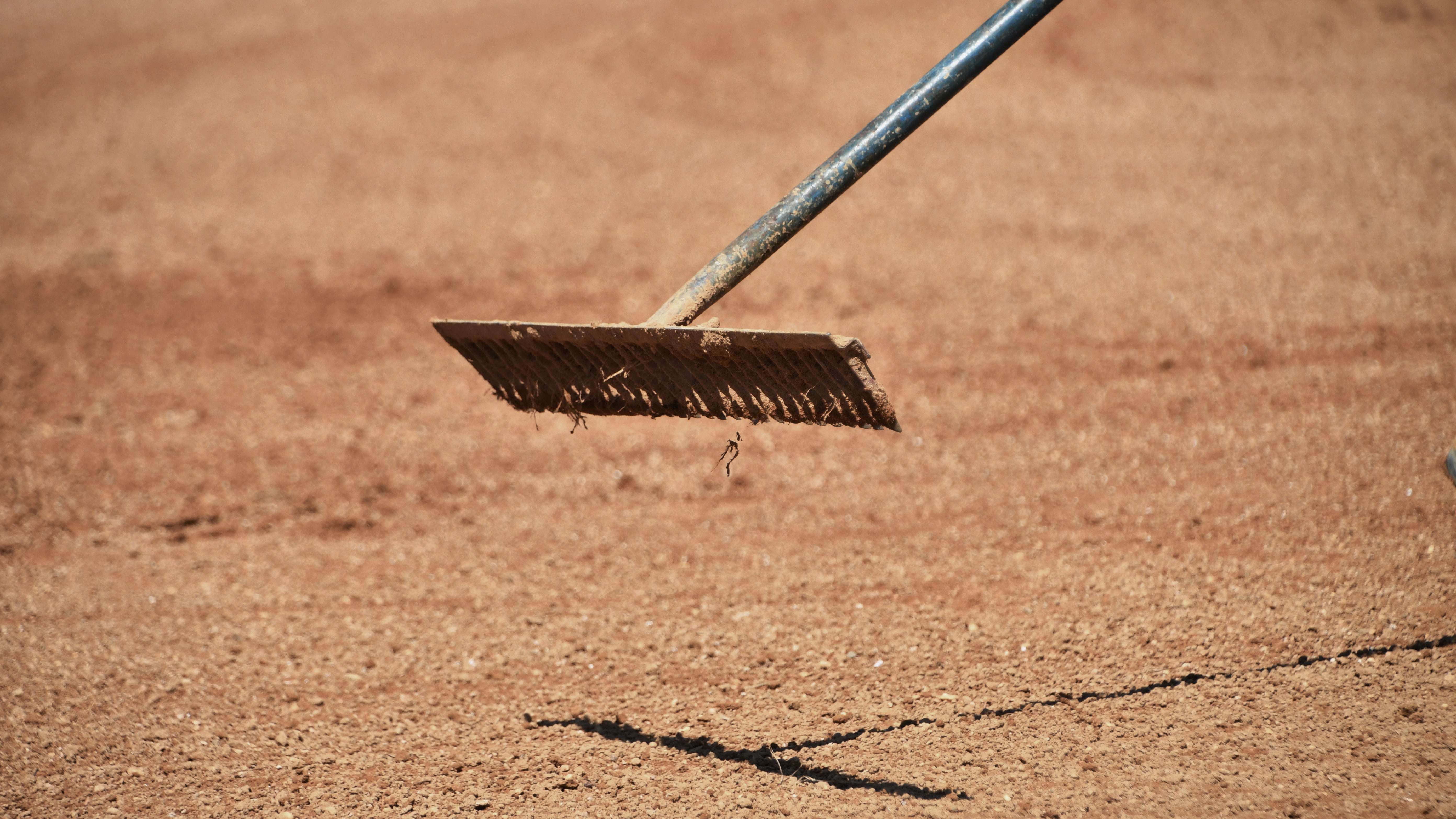
STEP 2: Leveling the Surface
It is important to level the soil to provide a smooth uniform surface for even germination & ease of future maintenance activities.
- Level the surface by filling in low spots using a drag, light harrow or large landscape rake.
- If the soil is very “fluffy” or loose, water the soil a bit to help compact the surface. A roller may also help. (When walking on the soil your shoes should not leave more than a 1” deep depression if possible)
- If underground irrigation is present or planned, level all heads even with the prepared soil surface.
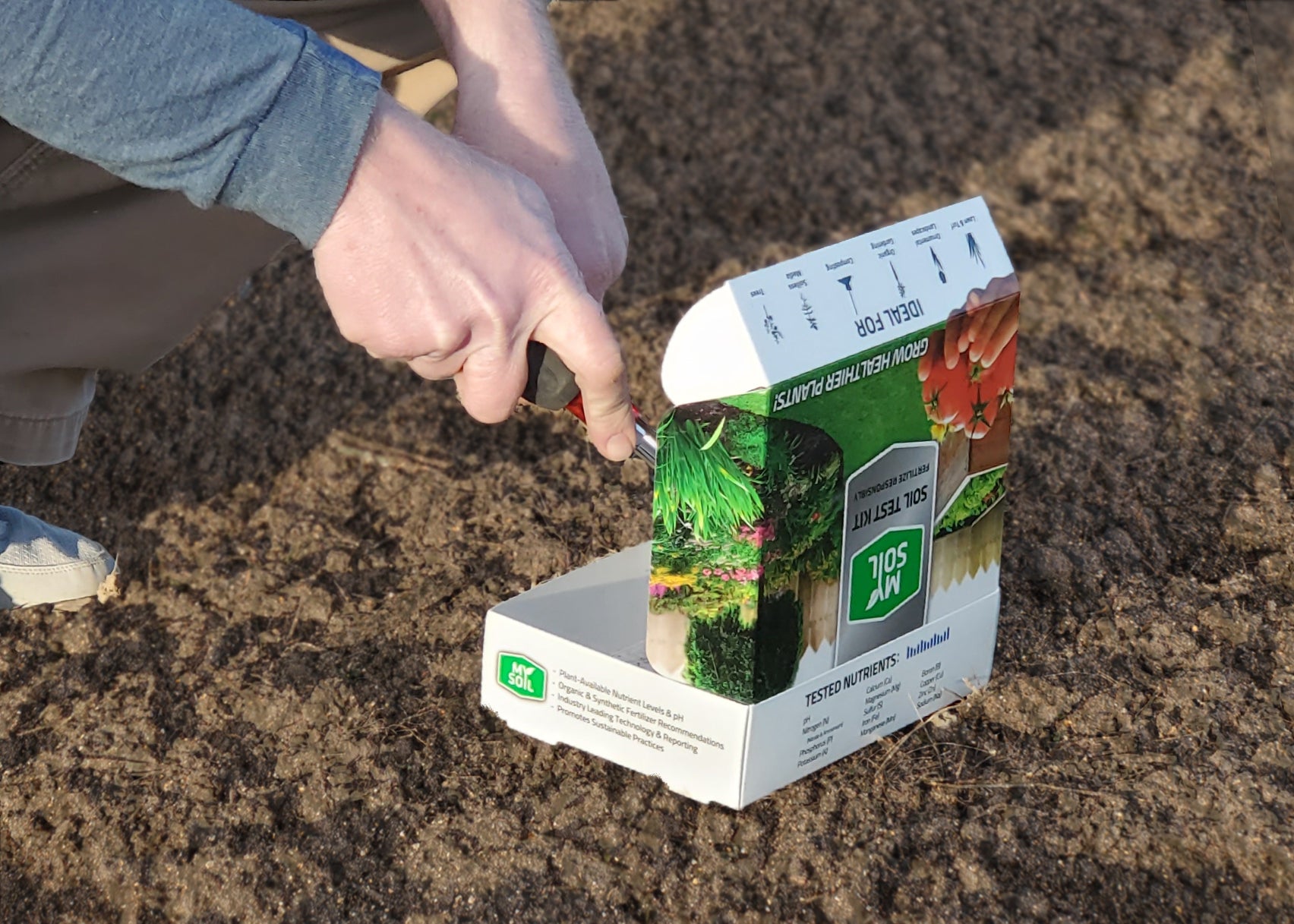
STEP 3: Amend The Soil
Proper fertility and pH will ensure your new lawn grows-in quickly & evenly with great color & density!
- Purchase a MySoil Test Kit to provide exact fertilizer & soil pH recommendations prior to seeding.
- After properly applying amendments to your soil, lightly incorporate by dragging a metal spring leaf-rake over the surface with some pressure, followed by an irrigation cycle.
- Do not apply Weed n Feed type products containing herbicides prior to planting.
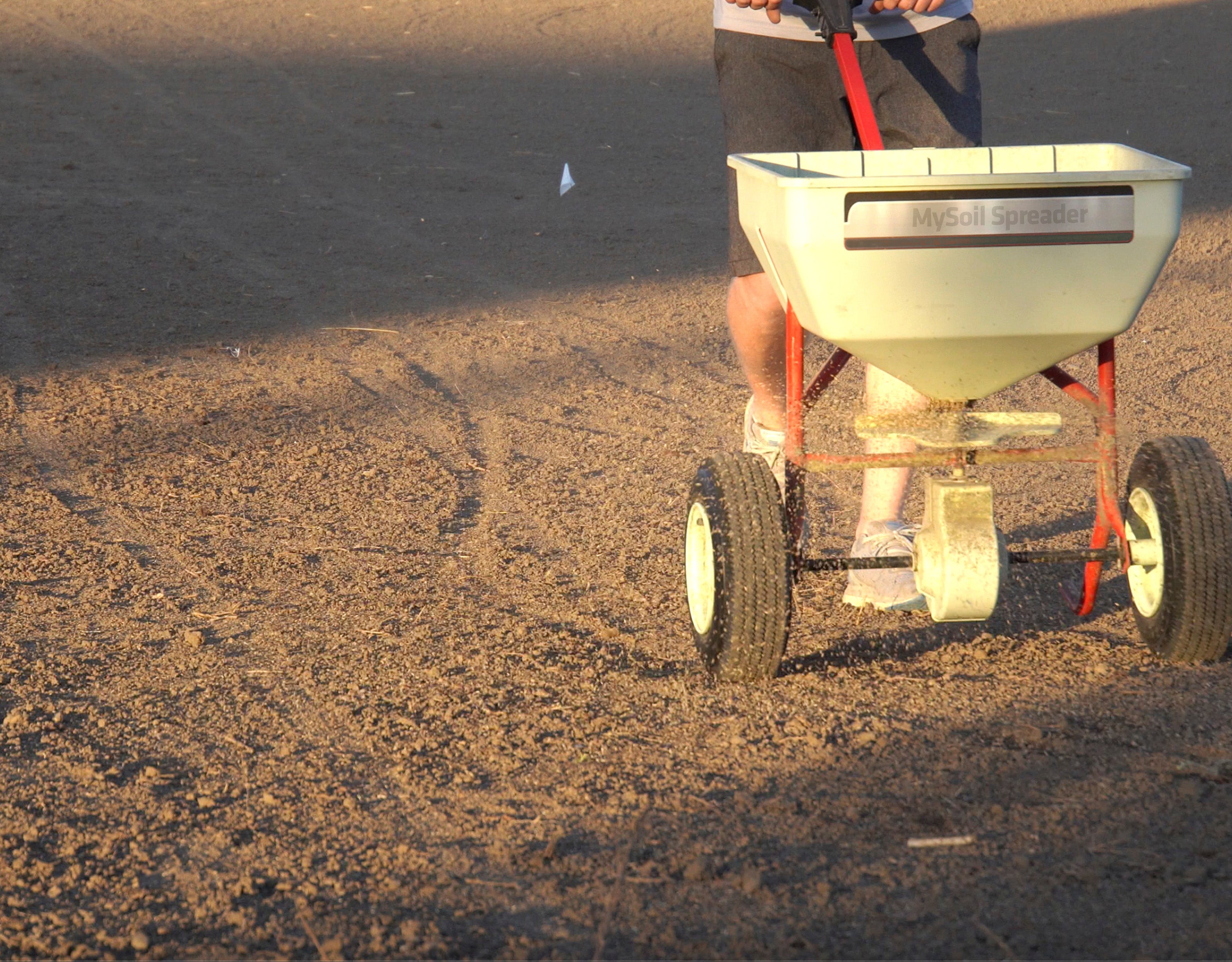
STEP 4: Seeding
This is the moment you have been waiting for, but the preparation to this point was critical to a successful end-product!
- Using a rotary or drop spreader, apply the seed in two directions. Each direction should deliver half the total rate.
- A total rate of 8-10 lbs/1000 sq. ft. (4-5 lbs per direction) is recommended.
- Once the seed is spread, lightly rake across the surface to incorporate the seed.
- Irrigate once seeded and avoid puddling, which can move the seed.
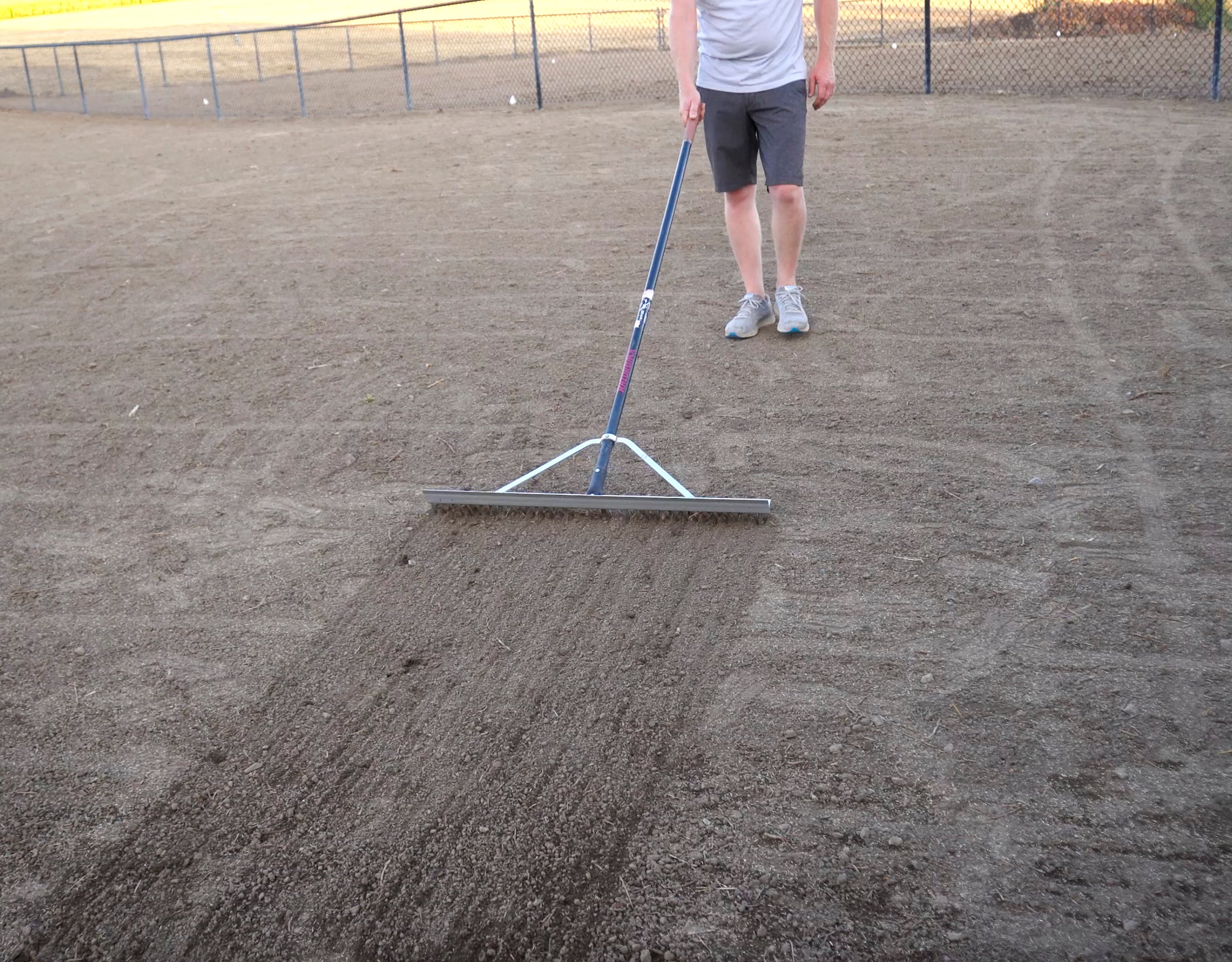
Incorporate Seeds Into Soil
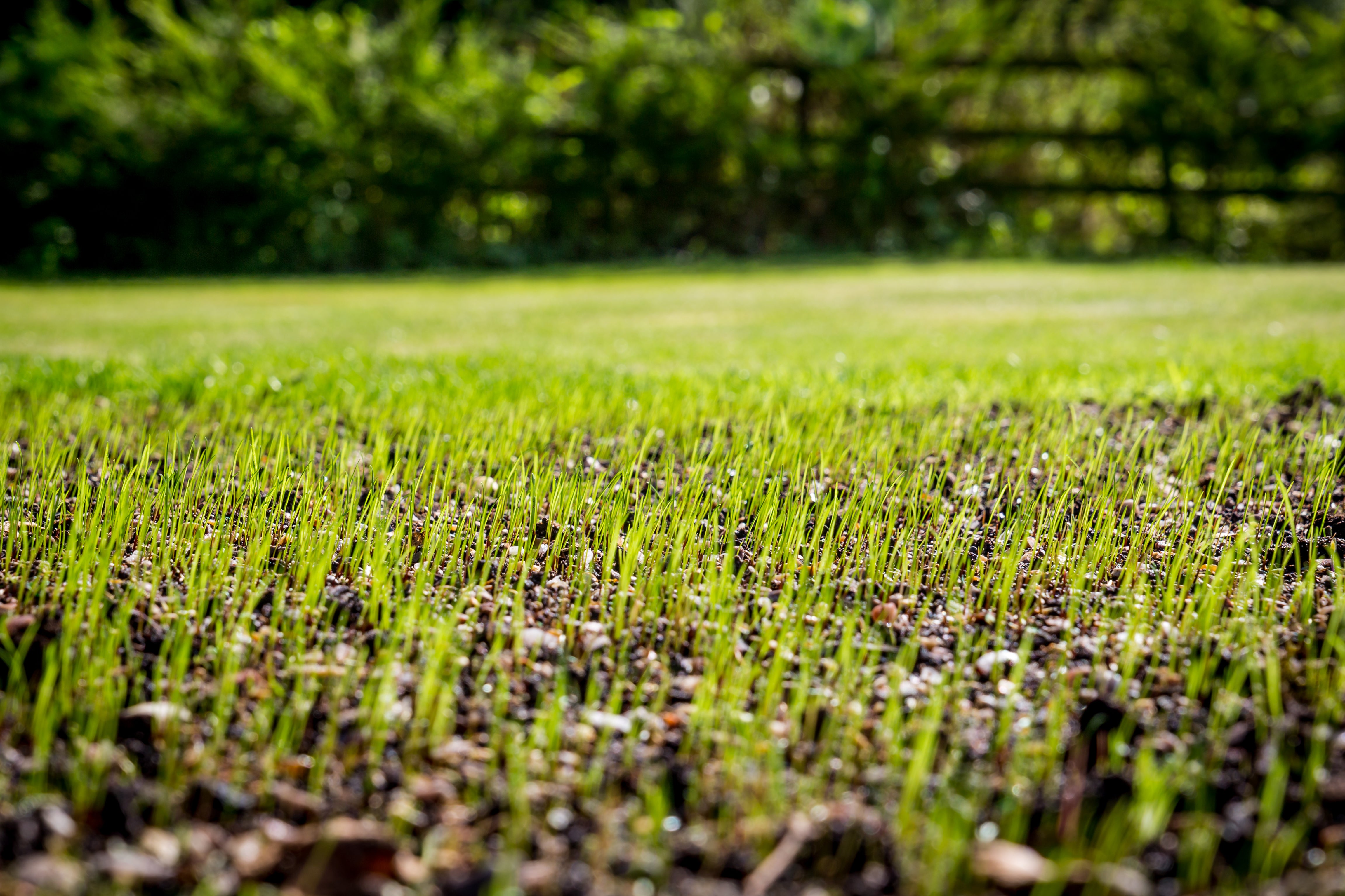
Germination Process
Seeds remain moist for germination
Overseeding An Existing Lawn
Add new life to your lawn by blending-in some of the finest cool-season grass seed varieties on the market today!
STEP 1: Amend The Soil
- You will want to let your nitrogen levels drop slightly prior to overseeding your lawn. This allows the new seed to germinate and grow without being “out-competed” for sunlight, water & nutrients by the existing turf stand.
- Use a MySoil Test Kit to guide fertility & pH adjustments prior to overseeding. (More nitrogen will be applied about 7-10 days after seeding to promote new seedling growth)
STEP 2: Reduce Existing Turf & Expose Some Soil
- Scalp your lawn down by mowing at 2” or less if possible and remove clippings. This will expose more soil for the seed to contact. More dense lawns may require thatching in multiple directions with debris removal to expose the soil surface. Aggressive thatching can also leave small slices in the soil for the seed to fall into.
- For best results, once turf is thinned, an aerifier can be used to make holes no more ½” deep, so that some seed can fall-in.
STEP 3: Seeding
- This is the moment you have been waiting for, but the preparation to this point was critical to a successful end-product!
- Using a rotary or drop spreader, apply the seed in two directions. Each direction should deliver half the total rate. A total rate of 5-8 lbs/1000 sq. ft. (2.5-4 lbs per direction) is recommended. (Spreaders are often ¾ to all the way open to deliver these rates)Irrigate after seeding to help the seed establish contact with the soil.
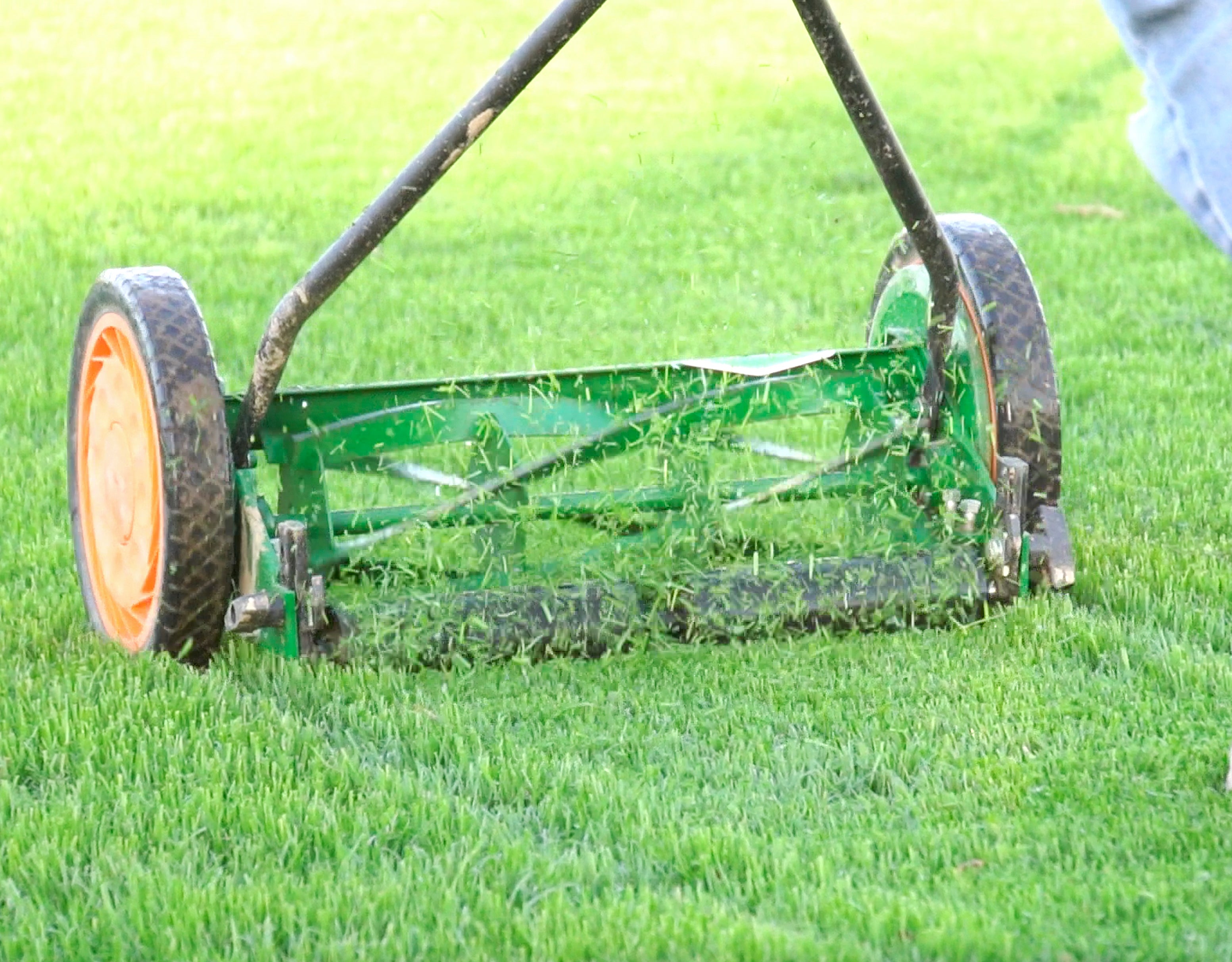
Continued Maintinence
- Irrigate 2-3 times per day for 5-15 minutes each time. (Keep the seed and soil moist at all times for the best germination. Do not allow water to puddle for newly seeded lawns.)
- The Ryegrass will germinate first, followed by the Bluegrass in another week or so.
- Your first mow can occur with a light push mower when the grass reaches about 3.5-4” tall.
- Look to fertilize again after your first mowing following your MySoil Test recommendations. Do not apply Weed n Feed type products containing herbicides 3-4 weeks prior to and after seeding.
- If possible, wait 10-14 days to begin regular mowing practices.

Lawn Seeding Frequently Asked Questions
Timing and conditions
When is the best time to seed a lawn?
For cool-season grasses (Kentucky bluegrass, perennial ryegrass, tall fescue), the best window is late summer through early fall when soil is warm, air is cooler, and weed pressure drops. For warm-season grasses (bermudagrass, zoysia), the best window is late spring into summer once soil temperatures are consistently warm.
Should I seed in spring or fall?
For cool-season lawns, fall almost always beats spring: you get better root development from summer heat and fewer weeds. Spring seeding can work, but the grass is young going into summer and competes more with crabgrass and broadleaf weeds.
Can I seed right after aerating or dethatching?
Yes. Aeration and dethatching are excellent prep steps for overseeding because they reduce thatch, open up the soil surface, and improve seed-to-soil contact. Many DIYers time overseeding immediately after these operations.
Can I plant grass seed after using weed control products?
Generally, it is not recommended. However, sometimes you can, but you must respect the label’s re-seeding interval. Some broadleaf herbicides allow seeding within a couple of weeks; others and most pre-emergent crabgrass preventers can inhibit germination for 6–12 weeks or more. Always check the specific product label before seeding.
Can I plant grass seed on wet or muddy soil?
It’s better to wait until the soil is damp but not muddy. Muddy soil compacts easily, drains poorly, and lets seed float or wash away. Aim for a firm, slightly moist seedbed you can walk on without sinking or smearing.
Grass type and product selection
What type of grass seed is best for my yard?
Choose based on region, sunlight, traffic, and maintenance level. Cool, northern climates typically use Kentucky bluegrass, perennial ryegrass, or tall fescue; hotter regions favor bermuda, zoysia, or other warm-season species. Heavy traffic and drought tolerance push you toward tall fescue in northern regions or bermudagrass in southern regions.
Should I use a blend, a mix, or a single grass type?
Blends (multiple varieties of one species) and mixes (multiple species) are usually best for homeowners because they handle varied conditions—sun/shade, traffic, microclimates—more gracefully. Single-species and variety lawns are more specialized, can look great, and are preferred if seeding bermudagrass but are less forgiving if conditions change.
Are coated or “quick-start” seeds worth it?
Coated seeds can improve handling, visibility, and sometimes water retention. “Quick-start” claims usually reflect species choice (e.g., ryegrass germinates fast) more than magic coatings. For many DIYers, high-purity, uncoated seed with good germination percentages is the better value. In hot southern climates where moisture retention is of utmost importance, the value of coated seed is much higher.
How much grass seed do I need?
First, measure your lawn area (length × width and sum sections). You can use the MySoil Grow app Mapping Tool for measurement as well. Then follow the label’s recommended rate for your project type: new lawns use the highest rate, overseeding uses a lower rate, and patch repair is somewhere in between. Using too little seed leaves bare soil; using too much can cause overcrowding and weak plants.
How do I read a grass seed label?
Check:
- Species/varieties (what you’re actually getting)
- Purity (%) – how much is the named seed versus other material
- Germination (%) – higher is better
- Weed seed and other crop (%) – should be very low
- Test date – fresher tests suggest fresher seed. This tells you quality far better than the marketing claims on the bag front. Aim for seed that is less than 15 months since testing.
Preparation and seeding technique
Do I have to remove existing grass or weeds before seeding?
For overseeding an existing lawn, you usually don’t remove all grass; instead you mow short, dethatch if needed, and open the canopy so seed reaches soil. For full renovations or heavily weedy lawns, killing and removing the existing vegetation first leads to more consistent results than “seeding into chaos.”
Can I just throw seed down on top of the lawn or bare dirt?
You can, but success drops sharply when seed doesn’t touch soil. On existing turf, you need to open the surface (aeration, dethatching, raking) so seed can settle into soil. On bare dirt, you should rake or lightly loosen the top layer rather than throw seed onto crusted or compacted ground.
How deep should grass seed be?
Grass seed wants to be very shallow—often no deeper than about ¼ inch. In practice, that means spreading the seed on the surface and then raking lightly or topdressing thinly, not burying it like you would larger vegetable seeds. Seed that’s too deep may never emerge.
What does “seed-to-soil contact” really mean?
It means each seed is nestled against soil particles rather than sitting on thatch, debris, or air pockets. Good contact lets the seed absorb moisture from the soil and stay in place. Light raking, dragging, or rolling after spreading seed are all ways DIYers improve contact.
Do I need to till before seeding?
For small repairs or overseeding, you usually don’t need deep tillage; surface loosening is enough. For complete renovations on very compacted or rough sites, shallow tilling or power-raking can help break up the surface, but over-tilling can create fluffy soil that settles and becomes bumpy later.
Should I use a spreader or seed by hand?
For anything larger than a small patch, a broadcast or drop spreader gives more even coverage and helps you hit the correct rate. Seed-by-hand is fine for small spots but tends to produce streaks or clumps on larger areas. Spreading seed in two directions (north–south, then east–west) with a spreader helps even out coverage.
Should I cover seed with straw, peat moss, compost, or a blanket?
A light, airy cover (peat moss or compost) helps retain moisture, reduce erosion, and protect seed from birds. The key is “light”: you should still see some soil/seed through the cover. Heavy mats can shade out seedlings or hold too much water. Our experience is that straw works, but is a bit messy for our liking.
Can I seed on a slope, and how do I keep seed from washing away?
Yes, but slopes benefit from extra measures: stronger seed-to-soil contact (raking, rolling), erosion-control blankets or lightly netted straw, gentle watering, and sometimes segmenting slopes with contours or small terraces. Shorter, more frequent watering helps avoid ponding and runoff.
Watering and early care
How often should I water new grass seed?
You’re aiming for consistently moist—not soggy—soil in the top ½ inch. Early on, that often means light watering multiple times a day, depending on heat, wind, and sun exposure. As seedlings emerge and root deeper, you gradually transition to less frequent, deeper watering.
How long does grass seed take to germinate?
It varies by species and conditions. Perennial ryegrass often sprouts within 5–7 days under good conditions. Tall fescue typically emerges in 7-14 days. Kentucky bluegrass can take 14–21 days or longer. Warm-season species may also take 1–3 weeks. Cooler soil, inconsistent moisture, or old seed can slow things down.
When can I mow after seeding?
Wait until the new grass is tall enough and well-rooted—typically when it reaches about 3–4 inches for cool-season grasses. Make your first cut with a sharp blade and remove only the top third of the leaf to avoid shocking young plants.
Can I walk on or use the yard after seeding?
Light, occasional foot traffic is usually fine, but avoid heavy or repeated traffic during germination and early establishment. Kids, pets, and equipment can disturb seed placement, damage seedlings, and create thin tracks that show up later.
Fertilizer and weed control
Should I use starter fertilizer when seeding?
Starter fertilizers are designed to supply nutrients new seedlings use heavily, especially phosphorus in soils that need it. They often help, but they’re most effective when they’re chosen based on a soil test, not guesswork. If your soil already has adequate phosphorus and potassium, you may focus more on nitrogen and pH.
When can I apply regular fertilizer to new grass?
You can usually begin standard fertilization schedules once the lawn has been mowed a few times and is actively growing. Before that, if you use any fertilizer, stick to light, label-directed rates.
When can I apply pre-emergent weed control after seeding?
Pre-emergent herbicides prevent seeds from sprouting—including grass seed—so timing is critical. Most labels require you to wait until the new lawn has been mowed several times or has grown for a certain number of weeks. Always follow the product’s specific guidance; applying too early can severely thin or wipe out new grass.
Expectations, problems, and“what ifs”
How long should I wait before deciding a seeding project failed?
Give the full expected germination window for the species plus a buffer for weather—often 3–4 weeks for cool-season mixes and similar or slightly longer for some warm-season projects. If you see no meaningful emergence by then and know watering was consistent, it’s reasonable to start troubleshooting soil issues, pest issues, or chemical interference.
Why did my last seeding fail?
Common culprits include:
- Seed drying out between waterings; not irrigating lightly and frequently multiple times per day
- Seeding at the wrong time for your climate
- Poor seed-to-soil contact (thatch or debris in the way)
- Overwatering that caused rot or washout
- Using the wrong species for your conditions
- Ignoring label seeding rates (way too heavy or too light)
- Herbicide residue or severe soil problems (pH or compaction)
- Pest pressure such as birds eating the seed
Why is my new grass coming in thin or patchy?
Thin or patchy stands usually reflect uneven seed spread, inconsistent watering, microclimate differences (sun vs shade, slope vs flat), areas where seed washed or was buried too deep, or mixes where some species germinate faster than others. Sometimes it’s simply that slower species haven’t filled in yet.
Can I fix bare patches without redoing the whole lawn?
Yes. For most homeowners, targeted patch repair works well: loosen the soil, remove debris, apply seed at patch-repair rates, lightly cover, and keep the area moist. If bare spots are widespread or tied to a bigger underlying problem (grubs, major compaction, wrong grass type), a larger renovation may be more efficient.
Can I overseed my lawn “naturally” by letting it go to seed?
Letting existing grass go to seed can contribute some natural overseeding, but it’s rarely enough to thicken a thin lawn on its own. Seed heads often produce less viable seed than commercial seed, and much of it doesn’t land where conditions are ideal. Intentional overseeding with quality seed is more reliable.
Can kids and pets use the lawn normally during establishment?
You’ll get better results if you keep traffic off freshly seeded areas until seedlings have rooted and the lawn has been mowed a few times. If that’s not practical, consider fencing off critical zones, creating temporary paths, or timing seeding in lower-use seasons.